

Can a Circulating Water Cleaner be used in a spa?
Jun 13, 2025
As a supplier of Circulating Water Cleaners, I often receive inquiries from spa owners and enthusiasts about the compatibility and effectiveness of our products in spa environments. This blog post aims to explore the feasibility of using a Circulating Water Cleaner in a spa, providing scientific insights and practical considerations.

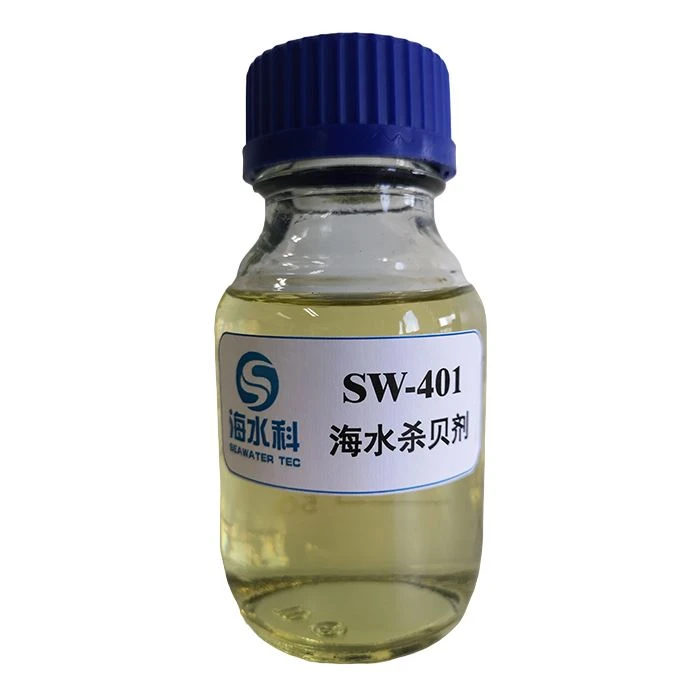
Understanding Circulating Water Cleaners
Circulating Water Cleaners are designed to maintain the quality of water in closed-loop systems by removing impurities, preventing scale formation, and controlling microbial growth. These cleaners typically contain a blend of chemicals that work together to break down organic matter, disperse suspended solids, and inhibit the growth of bacteria and algae. Circulating Water Cleaner products are commonly used in industrial cooling towers, HVAC systems, and other water circulation systems.
The Spa Environment
Spa water is a unique environment that requires special attention to maintain its cleanliness and safety. Spas are typically filled with warm water, which provides an ideal breeding ground for bacteria, viruses, and other microorganisms. In addition, spa water is often exposed to body oils, lotions, cosmetics, and other contaminants introduced by bathers. These contaminants can accumulate over time, leading to the formation of scum, foam, and unpleasant odors.
To ensure the safety and comfort of spa users, it is essential to maintain proper water chemistry and sanitation. This includes monitoring and adjusting the pH, alkalinity, and chlorine or bromine levels of the water, as well as regularly cleaning and sanitizing the spa equipment and surfaces.
Feasibility of Using a Circulating Water Cleaner in a Spa
The use of a Circulating Water Cleaner in a spa can offer several benefits, but it also requires careful consideration of the specific characteristics of the spa and the cleaner. Here are some factors to consider:
Compatibility with Spa Equipment
Circulating Water Cleaners are formulated for use in industrial water systems, which may have different materials and components than spa equipment. Before using a cleaner in a spa, it is important to check the manufacturer's recommendations and ensure that the cleaner is compatible with the spa's pumps, filters, heaters, and other equipment. Some cleaners may contain chemicals that can corrode or damage certain types of materials, so it is crucial to choose a cleaner that is specifically designed for use in spas or other water-based recreational facilities.
Impact on Water Chemistry
Circulating Water Cleaners can affect the pH, alkalinity, and other chemical properties of the water. In a spa, maintaining proper water chemistry is essential for the safety and comfort of users. Before using a cleaner, it is important to test the water and adjust the chemical levels as needed. Some cleaners may require additional balancing or adjustment of the water chemistry after use, so it is important to follow the manufacturer's instructions carefully.
Effectiveness in Removing Contaminants
Circulating Water Cleaners are designed to remove a wide range of contaminants from water, including organic matter, suspended solids, and scale. In a spa, these contaminants can accumulate quickly, leading to the formation of scum, foam, and unpleasant odors. A Circulating Water Cleaner can help to break down these contaminants and prevent their buildup, improving the clarity and cleanliness of the water. However, it is important to note that a cleaner is not a substitute for regular water testing, sanitization, and maintenance.
Safety Considerations
Circulating Water Cleaners are chemicals that can be hazardous if not used properly. It is important to follow the manufacturer's instructions carefully and wear appropriate protective equipment, such as gloves and goggles, when handling the cleaner. In addition, it is important to keep the cleaner out of reach of children and pets and to store it in a cool, dry place.
Choosing the Right Circulating Water Cleaner for a Spa
When choosing a Circulating Water Cleaner for a spa, it is important to consider the specific needs and characteristics of the spa. Here are some factors to consider:
Type of Cleaner
There are several types of Circulating Water Cleaners available, each with its own unique properties and applications. Some cleaners are designed to remove organic matter, while others are formulated to prevent scale formation or control microbial growth. When choosing a cleaner, it is important to select one that is specifically designed for use in spas or other water-based recreational facilities.
Chemical Composition
The chemical composition of a Circulating Water Cleaner can vary depending on the manufacturer and the specific product. Some cleaners may contain harsh chemicals that can be harmful to the environment or to human health, while others may be formulated with more natural or eco-friendly ingredients. When choosing a cleaner, it is important to consider the chemical composition and choose one that is safe and effective for use in a spa.
Brand Reputation
When choosing a Circulating Water Cleaner, it is important to choose a reputable brand that has a proven track record of quality and performance. Look for brands that are recommended by spa manufacturers or industry professionals and that have positive customer reviews.
Using a Circulating Water Cleaner in a Spa
If you decide to use a Circulating Water Cleaner in your spa, it is important to follow the manufacturer's instructions carefully. Here are some general guidelines:
Prepare the Spa
Before using a cleaner, it is important to prepare the spa by draining and refilling the water, cleaning the filters, and removing any debris or contaminants from the spa surfaces. This will help to ensure that the cleaner can work effectively and that the water is clean and clear.
Add the Cleaner
Once the spa is prepared, add the cleaner to the water according to the manufacturer's instructions. It is important to measure the cleaner accurately and to distribute it evenly throughout the water. Some cleaners may require the spa to be running for a certain period of time to ensure that the cleaner is properly circulated and mixed with the water.
Monitor the Water
After adding the cleaner, it is important to monitor the water chemistry and quality regularly. Test the water for pH, alkalinity, chlorine or bromine levels, and other parameters, and adjust the chemical levels as needed. It is also important to check the water for clarity, odor, and other signs of contamination.
Clean the Filters
Circulating Water Cleaners can help to remove contaminants from the water, but they can also cause the filters to become clogged more quickly. It is important to clean or replace the filters regularly to ensure that they are working effectively and to prevent the buildup of contaminants in the water.
Conclusion
In conclusion, the use of a Circulating Water Cleaner in a spa can offer several benefits, but it also requires careful consideration of the specific characteristics of the spa and the cleaner. By choosing the right cleaner, following the manufacturer's instructions carefully, and monitoring the water chemistry and quality regularly, you can help to maintain the cleanliness and safety of your spa and ensure the comfort and enjoyment of your spa users.
If you have any questions or need further information about using a Circulating Water Cleaner in a spa, please do not hesitate to contact us. We are a leading supplier of water treatment chemicals, including Circulating Water Cleaner, Seawater Corrosion and Scale Inhibitors, and Seawater Molluscicide. Our team of experts is available to provide you with personalized advice and support to help you choose the right products for your needs. Contact us today to learn more about our products and services and to start a discussion about your water treatment requirements.
References
- "Water Treatment for Spas and Hot Tubs." Centers for Disease Control and Prevention.
- "Spa Water Chemistry: A Guide for Spa Owners." National Swimming Pool Foundation.
- "Circulating Water Cleaner Product Information." [Manufacturer's Website]