


Tianjin Latino Environmental Technology CO.,Ltd is a scientific-oriented economy body integrating with scientific research, designing, manufacturing, installation and service maintenance, which is originated from European.We, Tianjin Latino are specialized supply one stop service for the cooling tower parts and cooling tower engineer service.
Why choose us
Widely used
Tianjin Latino's cooling tower and cooling tower parts is widely used in the Petrochemical, Petroleum, Power, Metallurgy, Medicine and Rubber Industry, etc..
Extensive market
Our business involve in covers 64 countries and regions including the UK, Germany, Italy, Belgium, France, Poland, Israel, Russia, Turkey,UAE,IRAN, Malaysia,Philippines, Indonesia, Korea, Japan, Australia, Thailand, India, Singapore and New Zealand, Netherlands,Ukraine, etc..
Rich experience
We have more than 20 years of production experience in the industry.
Rich products
Tianjin Latino's main products are cooling tower, cooling tower Film Fill, cooling tower drift eliminator and cooling tower spray system, UPVC distribution pipes, FPR winding pipe, FRP profile parts,FRP gratings, Fan stack, etc.
-
![Seawater Corrosion and Scale Inhibitors]()
Seawater Corrosion and Scale Inhibitors
Add to Inquiry -
![Seawater Molluscicide]() Add to Inquiry
Add to Inquiry -
![Seawater Defoaming Agent]() Add to Inquiry
Add to Inquiry -
![Circulating Water Cleaner]() Add to Inquiry
Add to Inquiry -
![Algal Inhibitor]() Add to Inquiry
Add to Inquiry -
![Scale Inhibitor and Dispersant]()
Scale Inhibitor and Dispersant
Add to Inquiry


Oxygen scavengers
The process of oxygen scavenging prevents oxygen from producing oxidation reactions. A typical application is adding oxygen scavenger chemicals to boiler water to prevent the corrosion of metal surfaces.
Oxygen scavengers can be organic or inorganic. Inorganic oxygen scavengers add dissolved solids to the water, and tend to be temperature dependent.
Flocculants
Flocculants help flocs formulate in water. Flocs are cloudy suspensions of cells, formed from bacterial cells and fungal species. These organisms can help to reduce organic matter and reduce biological oxygen demand in water.
Neutralising agents
Neutralising agents in water treatment neutralise acids and basics. Their dosage will depend on the pH of the water.
Some neutralising agents increase pH levels, and some will cause them to decline.
PH Conditioners
PH conditioners help adjust pH water levels. This can help to reduce corrosion in pipes and prevent any lead dissolving into water supplies.
Scale inhibitors
In hard water areas, limescale will form on surfaces in contact with water, due to increased levels of calcium and magnesium minerals.
Scale inhibitors are negatively-charged polymers that are surface-active. They attach to minerals in water, disrupting their structures for crystallisation. This helps prevent scale from forming.
Corrosion inhibitors
Corrosion can be extremely damaging to boilers, heat exchange systems and other metallic devices and components where contact with water is normal.
Corrosion inhibitors react with metallic surfaces, providing a level of protection, usually by forming a film on it.
Coagulants
Coagulants can remove suspended solids in water. They are made up of positively-charged molecules, and may be organic, inorganic or a combination of both.
Antifoams come in two forms: powder and emulsion. Powder antifoams are based on modified polydimethylsiloxane and are odourless, non-volatile and will not corrode. Emulsion antifoams share the same properties as powders and come from aqueous emulsions of polydimethylsiloxane fluids.
Algaecides
Algaecides will kill algae when you add them to water. They can be highly effective in killing all algae present in water, but they cannot remove any toxins that the algae have already released.
Oxidants
In chemical oxidation processes, treating water with oxidants reduces levels of COD and BOD (chemical and biochemical oxygen demand) and removes organic and inorganic components.
Oxidants can act as disinfecting agents in water treatment, removing contaminants.
Application of Water Treatment Chemicals
Drinking water: Water treatment ensures that drinking water is safe and clean by removing impurities such as microorganisms, dissolved solids, and suspended particles. Technologies like filtration, coagulation, flocculation, sedimentation, and disinfection are commonly used.
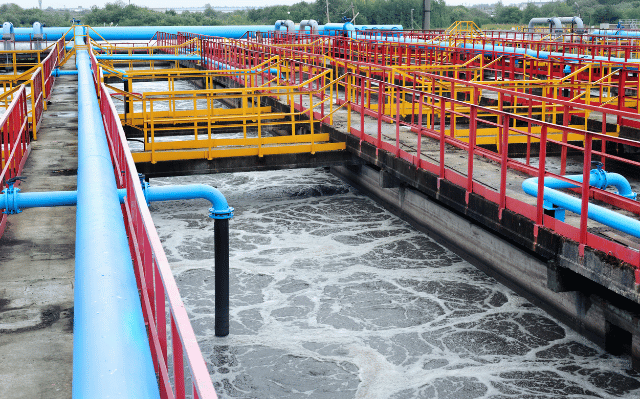
Wastewater treatment: Water treatment is essential for treating wastewater before it is released into the environment. This process helps protect natural water sources from pollution, using technologies such as primary, secondary, and tertiary treatments.
Industrial water: Treatment industries like power generation, food processing, and electronics manufacturing depend on water treatment to meet specific quality requirements. Common technologies include filtration, ion exchange, and reverse osmosis.
Agricultural water: Treatment water treatment improves water quality for irrigation and livestock production, enhancing crop yields and livestock health while reducing environmental impact. Desalination, filtration, and fertigation are frequently used methods.
Other applications: Water treatment is also crucial in various other applications, such as swimming pools, aquariums, and dental care. In each case, treatment ensures that water is safe and suitable for its intended use.
Customized solutions
Our broad and complete line of industrial wastewater treatment products allow us to be your single-source supplier. our serves you by providing creative water treatment solutions to protect the environment and your bottom line.
Controlling Costs
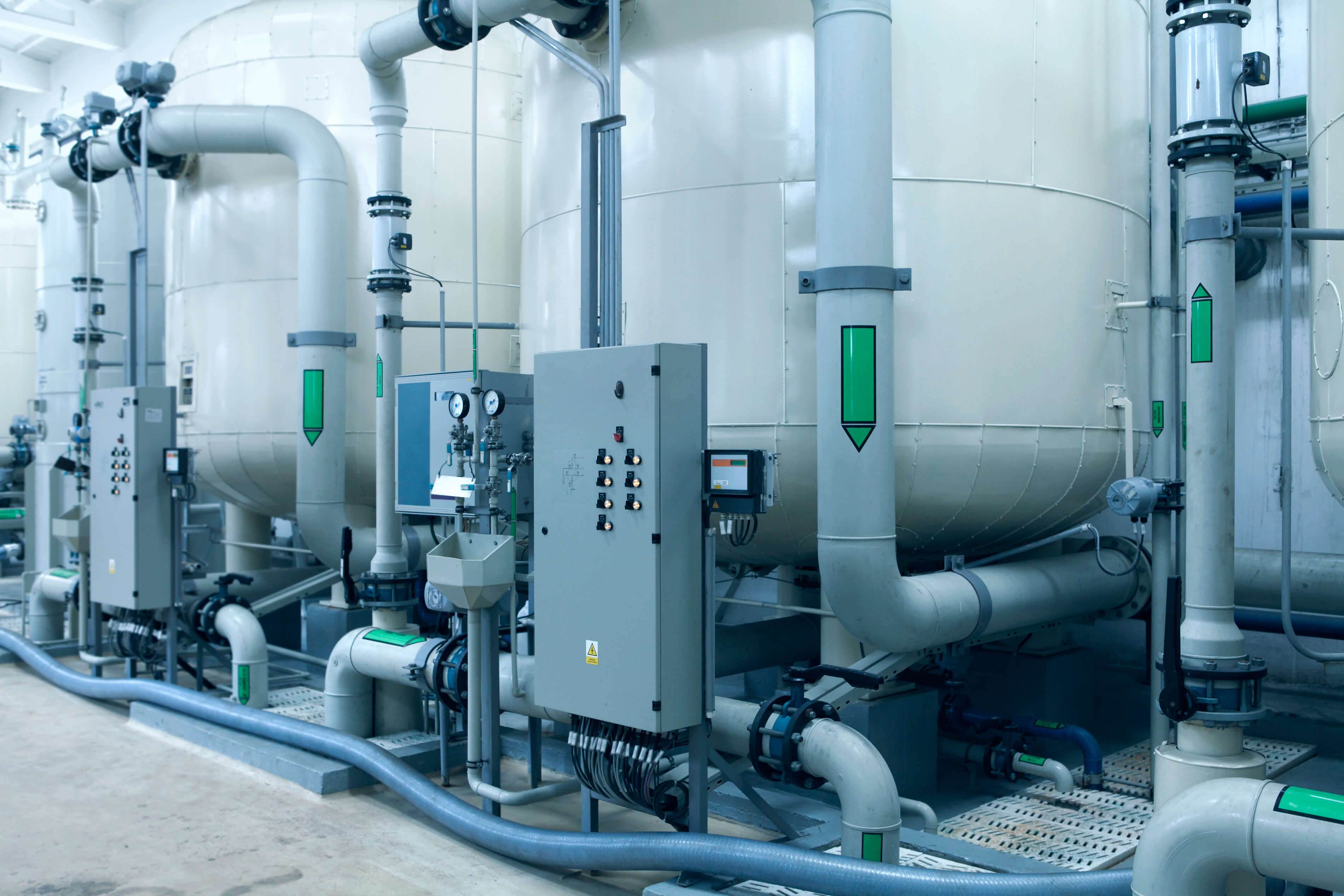
Our team of specialists will analyze your total effluent treatment process and implement strategies that help with performance and control costs in the food processing, metal finishing, pulp & paper, mining, general manufacturing, and municipal markets.
Today’s manufacturers and municipalities are faced with complex environmental challenges. Ever-tightening regulatory restrictions have led to increased operational costs, creating a need for efficient chemical programs. We offer a consultative, problem-solving approach to chemical optimization and help control overall costs associated with treating water in manufacturing processes.
Packaging And Storage
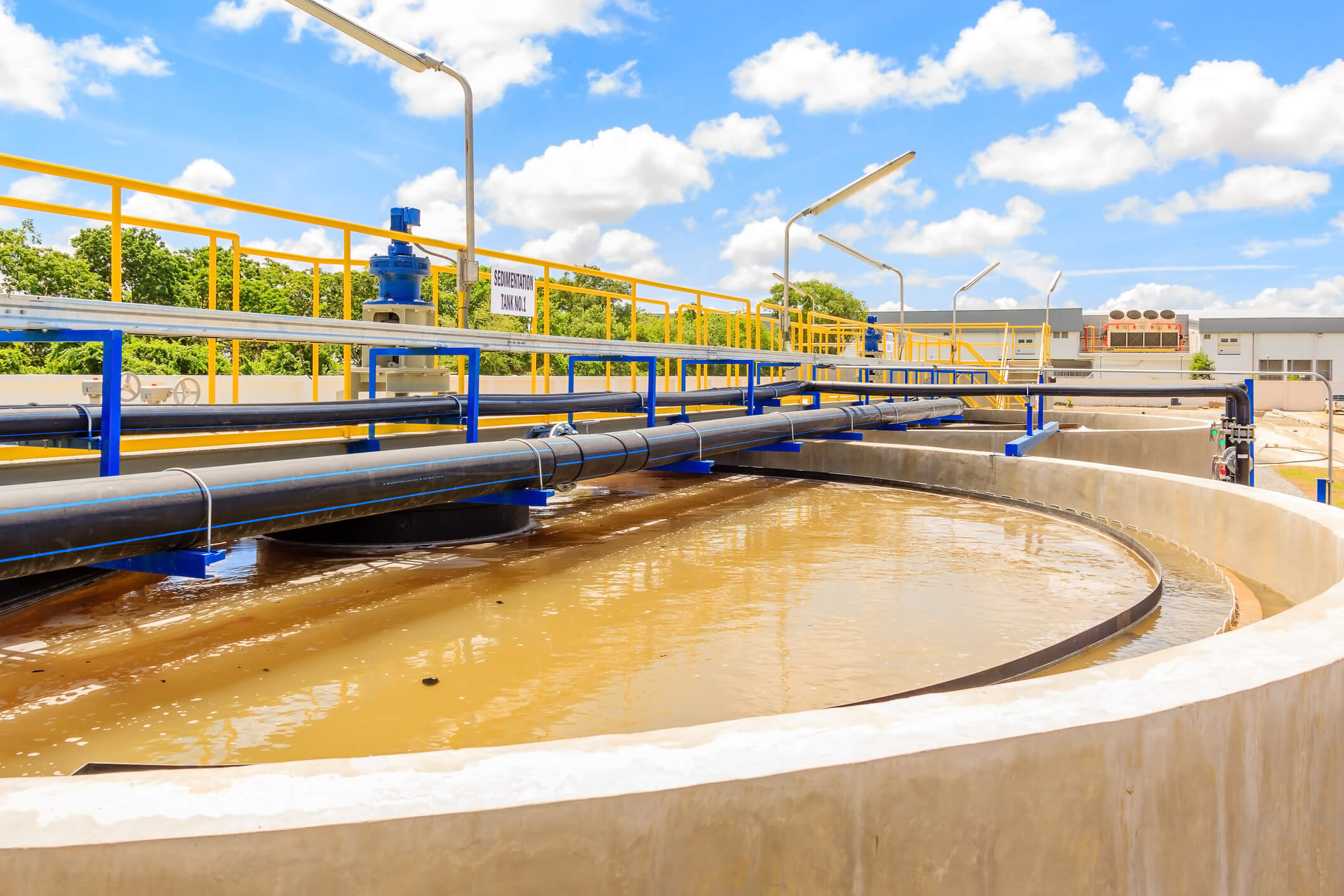
Product are packed in plastic drums, 25kg or 200kg per barrel or as required by the user; Store in a cool place indoors from 10 months to 2year.
Security Protection
1. This product is a corrosive chemical, for safety reasons, the use of this product, should wear the following equipment for safety: use goggles, rubber gloves, rubber apron or impermeable raincoat, rubber shoes.
2. This product is an acidic liquid, with a certain degree of corrosiveness, pay attention to labor protection during operation, should avoid contact with skin, eyes, etc., and rinse with plenty of water after contact.
FAQ
As one of the most professional water treatment chemicals manufacturers and suppliers in China, we're featured by quality products and good price. Please rest assured to wholesale custom made water treatment chemicals from our factory. Contact us for more cheap products.
corrosion inhibitor chemicals, water treatment surfactant cleaning agents, water treatment carrier cleaning agents