

Can seawater defoaming agent be used in reverse osmosis seawater desalination processes?
Jan 09, 2026
Seawater desalination is a crucial process for addressing water scarcity, particularly in arid regions and coastal areas. Reverse osmosis (RO) has emerged as one of the most efficient and widely used methods for seawater desalination. As a supplier of seawater defoaming agents, I often receive inquiries about whether our products can be used in reverse osmosis seawater desalination processes. In this blog post, I will delve into this topic, providing a detailed analysis of the applicability of seawater defoaming agents in RO desalination and highlighting the benefits they can offer.
Understanding Reverse Osmosis Seawater Desalination
Reverse osmosis is a membrane-based filtration process that uses pressure to force seawater through a semi-permeable membrane, separating the salt and other impurities from the water. This process effectively produces high-quality freshwater from seawater, making it a viable solution for meeting the growing demand for clean water.
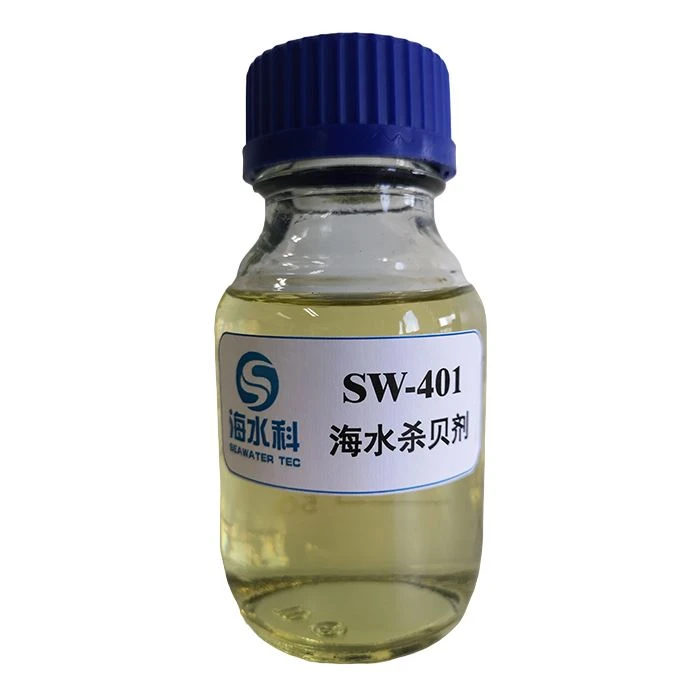

The RO system consists of several key components, including a pre-treatment system, high-pressure pumps, RO membranes, and a post-treatment system. The pre-treatment system is crucial for removing large particles, silt, and organic matter from the seawater to prevent membrane fouling. High-pressure pumps are used to generate the necessary pressure to force the seawater through the RO membranes. The RO membranes are the heart of the system, allowing water molecules to pass through while retaining salts and other contaminants. Finally, the post-treatment system is used to adjust the water quality, such as adding chemicals to adjust the pH and disinfect the water.
The Role of Defoaming Agents in Seawater Desalination
During the seawater desalination process, foaming can occur due to various factors, including the presence of surfactants, proteins, and other organic compounds in the seawater. Foaming can cause several problems in the RO system, such as reduced membrane performance, increased energy consumption, and operational difficulties.
A defoaming agent, also known as an antifoam agent, is a chemical additive that is used to reduce or eliminate foam in a liquid system. In the context of seawater desalination, a seawater defoaming agent can be added to the pre-treatment system or the RO feed water to prevent foam formation and improve the efficiency of the desalination process.
Can Seawater Defoaming Agent Be Used in Reverse Osmosis Seawater Desalination Processes?
The short answer is yes, seawater defoaming agents can be used in reverse osmosis seawater desalination processes. However, it is important to choose the right defoaming agent that is compatible with the RO membranes and the other chemicals used in the desalination process.
When selecting a seawater defoaming agent for RO desalination, several factors need to be considered:
- Compatibility with RO Membranes: The defoaming agent should not cause any damage to the RO membranes. Some defoaming agents may contain chemicals that can react with the membrane material, leading to membrane degradation and reduced performance. Therefore, it is essential to choose a defoaming agent that is specifically designed for use in RO systems and has been tested for compatibility with the RO membranes.
- Effectiveness in Seawater: The defoaming agent should be effective in reducing foam in seawater, which has a high salt content and a complex chemical composition. Some defoaming agents may lose their effectiveness in high-salt environments, so it is important to choose a product that has been proven to work well in seawater.
- Environmental Impact: The defoaming agent should be environmentally friendly and comply with relevant regulations. Some defoaming agents may contain harmful chemicals that can have a negative impact on the environment and human health. Therefore, it is important to choose a product that is biodegradable and non-toxic.
- Cost-Effectiveness: The defoaming agent should be cost-effective, providing good performance at a reasonable price. When comparing different defoaming agents, it is important to consider not only the purchase price but also the dosage required and the overall cost of using the product in the desalination process.
Benefits of Using Seawater Defoaming Agents in RO Desalination
Using a seawater defoaming agent in the reverse osmosis seawater desalination process can offer several benefits:
- Improved Membrane Performance: Foam can cause membrane fouling, which reduces the membrane's permeability and increases the energy consumption of the RO system. By eliminating foam, the defoaming agent can help to maintain the membrane's performance and prolong its lifespan.
- Increased Energy Efficiency: When foam is present in the RO system, the high-pressure pumps need to work harder to maintain the required pressure, resulting in increased energy consumption. By reducing foam, the defoaming agent can help to lower the energy consumption of the RO system, leading to cost savings.
- Enhanced Operational Stability: Foam can cause operational difficulties in the RO system, such as clogging of pipes and valves, and inaccurate flow measurements. By eliminating foam, the defoaming agent can help to ensure the smooth operation of the RO system and reduce the risk of downtime.
- Better Water Quality: Foam can carry impurities and contaminants, which can affect the quality of the freshwater produced by the RO system. By reducing foam, the defoaming agent can help to improve the water quality and ensure that the final product meets the required standards.
Other Water Treatment Chemicals for Seawater Desalination
In addition to seawater defoaming agents, there are other water treatment chemicals that are commonly used in the reverse osmosis seawater desalination process. These include Seawater Molluscicide, Circulating Water Cleaner, and Scale Inhibitor and Dispersant.
- Seawater Molluscicide: Seawater is often contaminated with mollusks and other marine organisms, which can cause fouling of the RO membranes and other equipment. A seawater molluscicide is used to control the growth of these organisms and prevent them from causing damage to the desalination system.
- Circulating Water Cleaner: The circulating water in the RO system needs to be kept clean to prevent the growth of bacteria and other microorganisms. A circulating water cleaner is used to remove impurities and contaminants from the circulating water and maintain its quality.
- Scale Inhibitor and Dispersant: Scale formation is a common problem in seawater desalination systems, as the high salt content of the seawater can cause the precipitation of salts on the RO membranes and other equipment. A scale inhibitor and dispersant is used to prevent scale formation and keep the system running smoothly.
Contact Us for Seawater Defoaming Agents and Other Water Treatment Chemicals
If you are interested in using seawater defoaming agents or other water treatment chemicals in your reverse osmosis seawater desalination process, please do not hesitate to contact us. We are a leading supplier of high-quality water treatment chemicals, and our products are widely used in the desalination industry.
Our team of experts can provide you with professional advice and support on the selection and use of water treatment chemicals. We can also offer customized solutions to meet your specific needs and requirements. Whether you are a small-scale desalination plant or a large industrial user, we have the products and services to help you achieve your water treatment goals.
Contact us today to start a conversation about your seawater desalination needs and explore how our water treatment chemicals can benefit your process.
References
- Elimelech, M., & Phillip, W. A. (2011). The future of seawater desalination: energy, technology, and the environment. Science, 333(6043), 712-717.
- Amy, G., & Drewes, J. (2013). Seawater desalination by membrane processes. Kirk-Othmer Encyclopedia of Chemical Technology.
- Crittenden, J. C., Trussell, R. R., Hand, D. W., Howe, K. J., & Tchobanoglous, G. (Eds.). (2012). MWH's water treatment: principles and design. John Wiley & Sons.