

How does a seawater cooling tower work in coastal areas with high tides?
Dec 24, 2025
Hey there! As a supplier of Seawater Cooling Towers, I often get asked about how these things work, especially in coastal areas with high tides. So, let's dive right in and break it down.
First off, what's the deal with using seawater for cooling? Well, in coastal regions, seawater is a readily available and cost - effective resource. Instead of using freshwater, which can be scarce in some areas, industries can tap into the ocean's vast supply. But using seawater comes with its own set of challenges, especially when high tides are in the picture.
The Basics of a Seawater Cooling Tower
A seawater cooling tower is a big piece of equipment designed to remove heat from industrial processes. It works on the principle of evaporative cooling. Hot water from the industrial process is pumped into the cooling tower. Inside the tower, this hot water is distributed over a fill material. The fill material increases the surface area of the water, allowing it to come into contact with the air more effectively.
As air moves through the tower, it picks up heat and moisture from the water. This causes some of the water to evaporate, and evaporation is a cooling process. The heat energy required for evaporation is taken from the remaining water, thus cooling it down. The cooled water is then pumped back to the industrial process to absorb more heat, and the cycle continues.
High Tides and Their Impact
Now, let's talk about high tides. In coastal areas with high tides, the water level can rise significantly. This can affect the intake of seawater into the cooling tower system. When the tide is high, the intake point needs to be designed in such a way that it can handle the increased water level without taking in debris or sediment that might be stirred up by the rising water.
One way to deal with this is to use a floating intake system. A floating intake is designed to rise and fall with the water level. It has a screen or filter that prevents large debris from entering the system. This ensures that only clean seawater is drawn into the cooling tower.
Another issue with high tides is the potential for flooding around the cooling tower. To prevent this, the cooling tower is usually built on an elevated platform. This platform keeps the tower above the highest expected high - tide level, protecting it from water damage.
Types of Seawater Cooling Towers
There are different types of seawater cooling towers, and each has its own way of dealing with the challenges posed by high tides.
Cross Flow Natural Draft Cooling Tower
The Cross Flow Natural Draft Cooling Tower is one option. In this type of tower, air flows horizontally across the flow of water. It uses natural draft, which means that the movement of air through the tower is driven by the difference in air density inside and outside the tower. The design of the cross - flow tower allows for a relatively large surface area for heat transfer, which is great for efficient cooling.
When it comes to high tides, the cross - flow design can be beneficial. Since the air intake is usually at a higher level, it is less likely to be affected by the rising water. The natural draft also means that there are fewer mechanical components that could be damaged by flooding.
Industrial Counterflow Cooling Tower
The Industrial Counterflow Cooling Tower works differently. In a counterflow tower, the air flows in the opposite direction to the water. This creates a more efficient heat - transfer process as the hottest water comes into contact with the driest air.

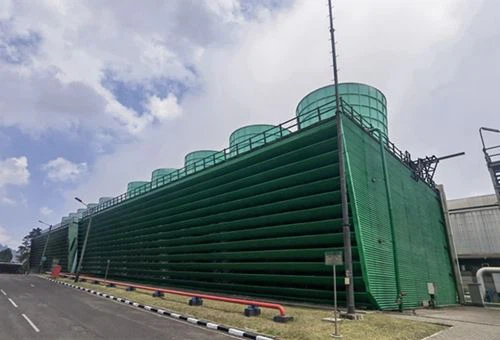
For high - tide areas, the counterflow tower can be designed with a well - protected air intake. The tower can also be equipped with a sump system that can handle any excess water that might enter during high tides. The sump collects the water and pumps it back into the system or drains it safely away.
Concrete Crossflow Cooling Towers
Concrete Crossflow Cooling Towers are known for their durability. Made of concrete, they can withstand the harsh coastal environment, including the effects of high tides. The concrete structure provides a stable base for the tower, and it can be designed to resist the forces of the rising water.
These towers also have a large capacity for water storage and heat transfer. The cross - flow design allows for effective cooling, even in areas with fluctuating water levels due to high tides.
Maintenance in High - Tide Areas
Maintaining a seawater cooling tower in a high - tide area is crucial. The constant exposure to seawater can cause corrosion, especially on metal components. Regular inspections are needed to check for signs of corrosion and wear.
The intake screens and filters need to be cleaned frequently to ensure that they are not clogged with debris. This is even more important during high tides when more debris might be present in the water.
The cooling tower's pumps and fans also need to be maintained. High - tide conditions can put additional stress on these components, so it's important to keep them in good working order.
Why Choose Our Seawater Cooling Towers
If you're in a coastal area with high tides and need a seawater cooling tower, we've got you covered. Our towers are designed with the challenges of high - tide areas in mind. We use high - quality materials that are resistant to corrosion, and our floating intake systems ensure that clean seawater is always being drawn into the tower.
Our team of experts can help you choose the right type of cooling tower for your specific needs. Whether it's a cross - flow, counterflow, or concrete crossflow tower, we have the knowledge and experience to install and maintain it properly.
Let's Talk
If you're interested in learning more about our seawater cooling towers or have any questions about how they work in high - tide areas, don't hesitate to reach out! We're here to help you find the best cooling solution for your industrial process. Contact us today to start a conversation about your cooling needs.
References
- "Cooling Tower Handbook" by American Society of Heating, Refrigerating and Air - Conditioning Engineers (ASHRAE)
- "Seawater Cooling Systems: Design and Operation" by International Maritime Organization (IMO)