

How to handle chemical spills in an industrial cooling tower?
Jun 12, 2025
Hey there! As an industrial cooling tower supplier, I've seen my fair share of chemical spills in these towers. It's not a fun situation, but with the right know - how, you can handle it effectively. Let's dive into how to deal with chemical spills in an industrial cooling tower.
Understanding the Risks
First off, we need to understand why chemical spills in industrial cooling towers are such a big deal. Cooling towers are used to remove heat from industrial processes. They often contain a variety of chemicals like biocides, corrosion inhibitors, and scale inhibitors. When a spill occurs, these chemicals can cause harm to the environment, damage the cooling tower itself, and pose a risk to human health.
For example, biocides are used to control the growth of bacteria and algae in the cooling water. But if they're spilled in large quantities, they can contaminate nearby water sources and harm aquatic life. Corrosion inhibitors prevent the metal parts of the cooling tower from rusting, but a spill can lead to chemical burns if someone comes into contact with them.
Identifying the Spill
The first step in handling a chemical spill is to identify it. This might sound obvious, but sometimes spills can be hard to spot. Look for changes in the color or odor of the cooling water. If the water suddenly turns cloudy or has a strange smell, it could be a sign of a chemical spill.
You should also check the area around the cooling tower for any signs of leaks or drips. Puddles or stains on the ground near the tower could indicate a spill. And don't forget to monitor the water level in the cooling tower. A sudden drop in the water level might mean that there's a leak somewhere.
Containing the Spill
Once you've identified a chemical spill, the next step is to contain it. This is crucial to prevent the chemicals from spreading further. If the spill is small, you can use absorbent materials like sand or kitty litter to soak up the chemicals. Place the absorbent material around the spill to create a barrier and stop it from flowing.
For larger spills, you might need to use more specialized equipment. We offer Seawater Cooling Tower models that come with built - in spill containment features. These towers are designed to prevent chemicals from leaking out and can help you contain a spill quickly and effectively.
Assessing the Chemicals
It's important to know exactly what chemicals have been spilled. Check the labels on the chemical containers or refer to the safety data sheets (SDS). The SDS will provide information about the chemical's properties, such as its toxicity, flammability, and reactivity.
This information is crucial for determining the best way to clean up the spill. For example, some chemicals might react violently with water, so you need to be careful when using water to clean them up. Others might require special protective equipment, like gloves and goggles, to handle safely.
Cleaning Up the Spill
After containing the spill and assessing the chemicals, it's time to clean it up. The method you use will depend on the type of chemical and the size of the spill. For small spills of non - hazardous chemicals, you can usually clean them up with water and a mild detergent.
For larger or more hazardous spills, you might need to use specialized cleaning agents. Make sure to follow the instructions on the cleaning agent carefully. And always wear the appropriate protective equipment, such as gloves, goggles, and a respirator, when cleaning up a chemical spill.
Disposing of the Waste
Once you've cleaned up the spill, you need to dispose of the contaminated materials properly. This is important to prevent further environmental damage. The waste should be placed in sealed containers and labeled clearly with the type of chemical it contains.
Contact a licensed waste disposal company to handle the disposal of the chemical waste. They have the expertise and equipment to dispose of the waste safely and in accordance with environmental regulations.
Preventing Future Spills
Of course, the best way to handle a chemical spill is to prevent it from happening in the first place. Regular maintenance of your industrial cooling tower is key. Check the chemical storage areas regularly for any signs of leaks or damage. Make sure that the chemical containers are properly sealed and stored in a safe place.
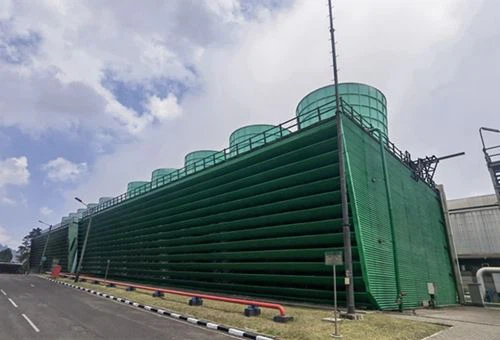
We also offer Cross Flow Natural Draft Cooling Tower models that are designed with safety in mind. These towers have features like double - walled chemical storage tanks and automatic shut - off valves to prevent spills.

Training Your Staff
Another important aspect of preventing chemical spills is training your staff. Make sure that all employees who work with or around the cooling tower are trained in chemical safety. They should know how to identify a spill, how to contain it, and how to clean it up safely.
Provide your staff with regular training sessions and safety drills. This will help them stay prepared in case of a chemical spill. And don't forget to keep the safety data sheets (SDS) easily accessible so that employees can refer to them if needed.
Working with a Professional Supplier
As an industrial cooling tower supplier, we're here to help you every step of the way. Whether you need advice on preventing chemical spills, help with spill cleanup, or want to upgrade your cooling tower to a more spill - resistant model, we've got you covered.
Our Concrete Crossflow Cooling Towers are built to last and are designed with safety features to minimize the risk of chemical spills. We can also provide you with the necessary training and support to ensure that your cooling tower is operated safely.
Conclusion
Handling chemical spills in an industrial cooling tower is a serious matter, but with the right approach, it can be managed effectively. By identifying the spill, containing it, assessing the chemicals, cleaning it up, and disposing of the waste properly, you can minimize the impact of a spill on the environment and human health.
And remember, prevention is always better than cure. Regular maintenance, staff training, and working with a professional supplier like us can help you prevent chemical spills from happening in the first place.
If you're interested in learning more about our industrial cooling towers or need help with chemical spill prevention and cleanup, don't hesitate to reach out. We're here to assist you with all your cooling tower needs and look forward to the opportunity to work with you on your next project.
References
- Cooling Tower Institute. "Cooling Tower Chemical Management Guidelines."
- Environmental Protection Agency. "Hazardous Waste Management Regulations."
- Occupational Safety and Health Administration. "Chemical Safety in the Workplace."