

How to monitor the water quality in a seawater cooling tower?
Oct 29, 2025
Monitoring the water quality in a seawater cooling tower is a crucial task that directly impacts the efficiency, longevity, and environmental compliance of the cooling system. As a seawater cooling tower supplier, I understand the complexities and challenges associated with maintaining optimal water quality. In this blog post, I will share some practical strategies and best practices for effectively monitoring the water quality in a seawater cooling tower.
Understanding the Importance of Water Quality Monitoring
Seawater cooling towers are widely used in various industries, including power generation, petrochemical, and desalination plants, to remove heat from industrial processes. However, seawater contains a high concentration of dissolved salts, minerals, and organic matter, which can cause scaling, corrosion, and biofouling in the cooling tower system. These issues can lead to reduced heat transfer efficiency, increased energy consumption, and premature equipment failure.

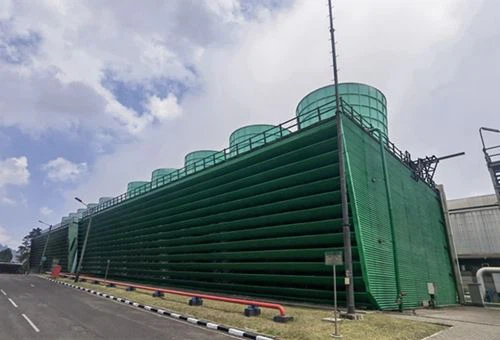
By regularly monitoring the water quality in a seawater cooling tower, operators can detect and address potential problems before they escalate. This proactive approach helps to ensure the reliable operation of the cooling system, minimize maintenance costs, and extend the service life of the equipment.
Key Water Quality Parameters to Monitor
Several key water quality parameters should be monitored in a seawater cooling tower to assess its overall health and performance. These parameters include:
- pH Level: The pH level of the cooling water affects the solubility of minerals and the corrosion rate of the metal components in the cooling tower. A pH range of 7.0 to 8.5 is typically recommended for seawater cooling towers to prevent scaling and corrosion.
- Conductivity: Conductivity is a measure of the ability of the water to conduct electricity, which is directly related to the concentration of dissolved salts and minerals in the water. High conductivity levels can indicate excessive salt buildup in the cooling tower, which can lead to scaling and corrosion.
- Total Dissolved Solids (TDS): TDS is the total amount of inorganic and organic substances dissolved in the water. High TDS levels can cause scaling, fouling, and corrosion in the cooling tower system.
- Chloride Content: Chloride is a common anion found in seawater that can cause corrosion of metal components in the cooling tower. Monitoring the chloride content of the cooling water is essential to prevent corrosion and ensure the long-term integrity of the equipment.
- Biological Activity: Microorganisms, such as bacteria, algae, and fungi, can grow in the cooling water and form biofilms on the surfaces of the cooling tower components. These biofilms can reduce heat transfer efficiency, increase pressure drop, and promote corrosion. Monitoring the biological activity of the cooling water is crucial to prevent biofouling and maintain the performance of the cooling system.
Monitoring Methods and Techniques
There are several methods and techniques available for monitoring the water quality in a seawater cooling tower. These include:
- Chemical Analysis: Chemical analysis involves collecting water samples from the cooling tower and analyzing them in a laboratory to determine the concentration of various water quality parameters. This method provides accurate and detailed information about the water quality but can be time-consuming and expensive.
- Online Monitoring: Online monitoring systems use sensors and analyzers to continuously measure the water quality parameters in real-time. These systems provide immediate feedback on the water quality and allow operators to take corrective actions promptly. Online monitoring systems are more convenient and cost-effective than chemical analysis but may require regular calibration and maintenance.
- Visual Inspection: Visual inspection involves visually examining the cooling tower components for signs of scaling, corrosion, biofouling, and other water quality-related issues. This method is simple and inexpensive but may not provide a comprehensive assessment of the water quality.
Best Practices for Water Quality Management
In addition to monitoring the water quality, several best practices should be implemented to manage the water quality in a seawater cooling tower effectively. These include:
- Water Treatment: Water treatment is essential to prevent scaling, corrosion, and biofouling in the cooling tower system. Various water treatment methods, such as chemical treatment, filtration, and disinfection, can be used to improve the water quality.
- Makeup Water Quality: The quality of the makeup water used in the cooling tower can significantly impact the water quality in the system. Using high-quality makeup water with low levels of dissolved salts and minerals can help to reduce the risk of scaling and corrosion.
- Blowdown Management: Blowdown is the process of removing a portion of the cooling water from the system to control the concentration of dissolved salts and minerals. Proper blowdown management is essential to maintain the water quality in the cooling tower and prevent excessive salt buildup.
- Regular Maintenance: Regular maintenance of the cooling tower components, such as the fill, nozzles, and pumps, is essential to ensure the proper operation of the cooling system and prevent water quality-related issues.
Conclusion
Monitoring the water quality in a seawater cooling tower is a critical task that requires a comprehensive approach. By understanding the importance of water quality monitoring, monitoring the key water quality parameters, using appropriate monitoring methods and techniques, and implementing best practices for water quality management, operators can ensure the reliable operation of the cooling system, minimize maintenance costs, and extend the service life of the equipment.
If you are interested in learning more about seawater cooling towers or need assistance with water quality monitoring and management, please visit our website at Seawater Cooling Tower. We offer a wide range of high-quality seawater cooling towers and related products and services to meet your specific needs. Contact us today to discuss your requirements and explore how we can help you optimize the performance of your cooling system.
References
- ASHRAE Handbook - HVAC Systems and Equipment. American Society of Heating, Refrigerating and Air-Conditioning Engineers, Inc.
- Cooling Tower Institute. Cooling Tower Water Treatment Guidelines.
- Water Quality Association. Water Quality Standards and Guidelines.