

How to prevent ice formation in a seawater cooling tower in winter?
Nov 24, 2025
How to prevent ice formation in a seawater cooling tower in winter?
As a seasoned supplier of seawater cooling towers, I understand the challenges that come with operating these systems during the winter months. Ice formation in seawater cooling towers can lead to a range of issues, from reduced efficiency to potential damage to the equipment. In this blog post, I'll share some effective strategies to prevent ice formation and ensure the smooth operation of your seawater cooling tower throughout the winter.
Understanding the Problem of Ice Formation
Before delving into prevention methods, it's crucial to understand why ice forms in seawater cooling towers during winter. Seawater cooling towers work by using the evaporative cooling process to remove heat from industrial processes. In cold weather, the combination of low temperatures and high humidity can cause the water droplets in the cooling tower to freeze. This ice can accumulate on various components of the cooling tower, such as the fill media, nozzles, and drift eliminators, obstructing the flow of air and water and reducing the tower's cooling capacity.
1. Insulation
One of the most straightforward ways to prevent ice formation is to insulate the critical components of the seawater cooling tower. Insulation helps to maintain the temperature of the water and the tower structure, reducing the risk of freezing. For example, insulating the water pipes leading to and from the cooling tower can prevent the water from losing heat and freezing. Additionally, insulating the tower's exterior can help to keep the internal temperature stable. There are various types of insulation materials available, such as fiberglass, foam, and rubber, each with its own advantages and disadvantages. When choosing an insulation material, consider factors such as its thermal conductivity, durability, and resistance to moisture.
2. Temperature Monitoring and Control
Implementing a reliable temperature monitoring and control system is essential for preventing ice formation. By continuously monitoring the temperature of the water and the air inside the cooling tower, you can detect any potential issues early and take appropriate action. For instance, if the temperature drops below a certain threshold, the control system can activate heating elements or adjust the flow rate of the water to prevent freezing. There are several types of temperature sensors available, including thermocouples, resistance temperature detectors (RTDs), and infrared sensors. Choose a sensor that is accurate, reliable, and suitable for the harsh environment of a seawater cooling tower.
3. Airflow Management
Proper airflow management is crucial for preventing ice formation in a seawater cooling tower. In winter, the cold air can cause the water droplets in the tower to freeze more quickly. By adjusting the airflow, you can reduce the contact time between the cold air and the water, minimizing the risk of freezing. One way to manage airflow is to install dampers or louvers on the cooling tower. These devices can be adjusted to control the amount of air entering the tower, ensuring that the air is evenly distributed and that the water is not exposed to excessive cold air. Additionally, using fans with variable speed drives can help to optimize the airflow based on the temperature and humidity conditions.
4. Chemical Additives
Chemical additives can be used to lower the freezing point of the water in the seawater cooling tower, preventing ice formation. There are several types of chemical additives available, such as antifreeze agents and corrosion inhibitors. Antifreeze agents, such as ethylene glycol or propylene glycol, can be added to the water to lower its freezing point. However, it's important to use these additives carefully, as they can have environmental and health implications. Corrosion inhibitors can also be added to the water to protect the tower's components from corrosion, which can be exacerbated by the presence of ice.
5. Regular Maintenance
Regular maintenance is essential for preventing ice formation and ensuring the long - term performance of a seawater cooling tower. This includes cleaning the tower's components, such as the fill media, nozzles, and drift eliminators, to remove any debris or scale that can obstruct the flow of air and water. Inspecting the tower for any signs of damage, such as cracks or leaks, and repairing them promptly is also crucial. Additionally, checking the operation of the temperature sensors, control systems, and other equipment regularly can help to identify and address any potential issues before they lead to ice formation.

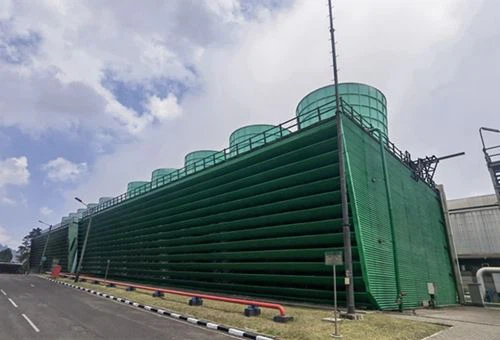
Case Studies and Real - World Applications
To illustrate the effectiveness of these prevention methods, let's look at some real - world examples. In a large industrial facility using a Industrial Counterflow Cooling Tower, the management implemented a comprehensive ice prevention strategy. They insulated the water pipes and the tower's exterior, installed a temperature monitoring and control system, and adjusted the airflow using dampers. As a result, they were able to prevent ice formation during the winter months and maintain the cooling tower's efficiency.
Another example is a power plant that uses Concrete Crossflow Cooling Towers. By adding chemical additives to the water and conducting regular maintenance, they were able to reduce the risk of ice formation and extend the lifespan of the cooling towers.
In a coastal refinery with Cross Flow Natural Draft Cooling Tower, a combination of insulation, temperature control, and airflow management was used to prevent ice formation. This approach not only ensured the smooth operation of the cooling tower but also reduced the energy consumption associated with heating and defrosting.
Conclusion
Preventing ice formation in a seawater cooling tower during winter is a complex but manageable task. By implementing a combination of insulation, temperature monitoring and control, airflow management, chemical additives, and regular maintenance, you can minimize the risk of ice formation and ensure the efficient and reliable operation of your cooling tower.
If you are facing challenges with ice formation in your seawater cooling tower or are looking to upgrade your existing system, I encourage you to reach out to us. Our team of experts has extensive experience in designing, installing, and maintaining seawater cooling towers and can provide you with customized solutions to meet your specific needs. Contact us to start a conversation about how we can help you optimize your cooling tower's performance in winter.
References
- ASHRAE Handbook - HVAC Systems and Equipment. American Society of Heating, Refrigerating and Air - Conditioning Engineers.
- Cooling Tower Institute. Technical manuals and guidelines on cooling tower operation and maintenance.
- Various research papers on heat transfer and ice prevention in industrial cooling systems.