

How to reduce the water consumption of a seawater cooling tower?
Jul 25, 2025
As a supplier of Seawater Cooling Towers, I understand the growing need for effective water conservation in industrial operations. Seawater cooling towers play a crucial role in various industries, including power generation, desalination, and chemical processing. However, they also consume a significant amount of water, which can be a challenge, especially in regions facing water scarcity. In this blog, I will share some practical strategies on how to reduce the water consumption of a seawater cooling tower.
Understanding the Water Consumption in Seawater Cooling Towers
Before we delve into the solutions, it's essential to understand how seawater cooling towers consume water. Seawater cooling towers work by using seawater to cool hot water from industrial processes. The hot water is sprayed into the tower, where it comes into contact with air. As the water evaporates, it releases heat, and the cooled water is then recirculated back to the industrial process. The main sources of water loss in a seawater cooling tower are evaporation, drift, and blowdown.
Evaporation is the primary way in which water is lost from a cooling tower. As the hot water is exposed to air, a portion of it evaporates, taking heat away from the remaining water. Drift refers to the small droplets of water that are carried out of the tower by the air stream. Blowdown is the process of removing a portion of the concentrated water from the cooling tower to prevent the buildup of dissolved solids and other contaminants.
Strategies to Reduce Water Consumption
1. Optimize the Cooling Tower Design
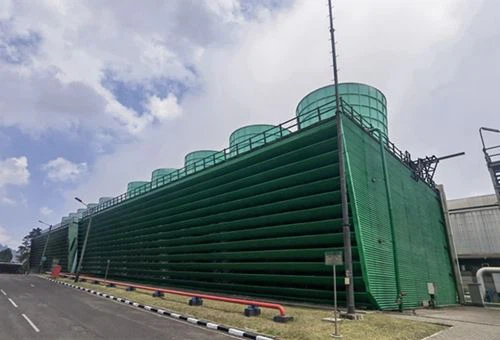
The design of the cooling tower plays a crucial role in its water consumption. By choosing the right type of cooling tower and optimizing its design, you can significantly reduce water loss. For example, Concrete Crossflow Cooling Towers are known for their efficient use of water. In a crossflow design, the air flows horizontally through the fill media, while the water flows vertically. This allows for better contact between the air and water, resulting in more efficient heat transfer and less evaporation.
Another option is the Industrial Counterflow Cooling Tower. In a counterflow design, the air flows in the opposite direction to the water. This design also provides good heat transfer efficiency and can help reduce water consumption.
2. Install Drift Eliminators
Drift eliminators are devices that are installed in the cooling tower to capture the water droplets carried by the air stream. By reducing drift, you can prevent water loss and also minimize the environmental impact of the cooling tower. High - efficiency drift eliminators can capture up to 99% of the water droplets, significantly reducing water consumption.

3. Implement a Water Treatment Program
A proper water treatment program is essential for maintaining the efficiency of the cooling tower and reducing water consumption. By treating the water, you can prevent the buildup of scale, corrosion, and biological growth, which can reduce the heat transfer efficiency of the cooling tower and increase water consumption. For example, using scale inhibitors can prevent the formation of scale on the heat transfer surfaces, allowing the cooling tower to operate more efficiently.
4. Recycle and Reuse Water
One of the most effective ways to reduce water consumption is to recycle and reuse the water from the cooling tower. For example, the blowdown water can be treated and reused in other parts of the industrial process, such as for irrigation or as makeup water for the cooling tower. Additionally, condensate water from the industrial process can be collected and used as makeup water for the cooling tower.
5. Monitor and Control the Cooling Tower Operation
Regular monitoring and control of the cooling tower operation are crucial for reducing water consumption. By monitoring parameters such as water flow rate, temperature, and conductivity, you can ensure that the cooling tower is operating at its optimal efficiency. For example, adjusting the water flow rate based on the load of the industrial process can prevent over - watering and reduce water consumption.
6. Use Advanced Control Systems
Advanced control systems can help optimize the operation of the cooling tower and reduce water consumption. These systems use sensors and algorithms to monitor and control various aspects of the cooling tower, such as the fan speed, water flow rate, and chemical dosing. By automatically adjusting these parameters based on the operating conditions, the cooling tower can operate more efficiently and use less water.
Benefits of Reducing Water Consumption
Reducing the water consumption of a seawater cooling tower offers several benefits. Firstly, it helps conserve a precious natural resource, especially in regions facing water scarcity. Secondly, it can reduce the operating costs of the industrial process, as less water needs to be purchased and treated. Thirdly, it can also reduce the environmental impact of the cooling tower by minimizing the discharge of wastewater and the use of chemicals.
Conclusion
As a supplier of Seawater Cooling Towers, I am committed to helping our customers reduce the water consumption of their cooling towers. By implementing the strategies mentioned above, you can significantly reduce water loss and improve the efficiency of your cooling tower. Whether you are looking for a new cooling tower or want to optimize the performance of your existing one, we can provide you with the expertise and solutions you need.
If you are interested in learning more about how to reduce the water consumption of your seawater cooling tower or are considering purchasing a new cooling tower, please contact us for a consultation. Our team of experts will be happy to assist you in finding the best solutions for your specific needs.
References
- ASHRAE Handbook - HVAC Systems and Equipment. American Society of Heating, Refrigerating and Air - Conditioning Engineers.
- Cooling Tower Institute (CTI). Technical standards and guidelines for cooling tower operation.
- Industrial Water Treatment: A Practical Guide. McGraw - Hill Professional.