

What is the role of fans in an industrial cooling tower?
Jul 02, 2025
Hey there! As a supplier of industrial cooling towers, I've seen firsthand how crucial fans are in these systems. In this blog, I'll break down the role of fans in an industrial cooling tower and why they're so important.
The Basics of Industrial Cooling Towers
Before we dive into the role of fans, let's quickly go over what an industrial cooling tower is. These are large structures used in various industries, like power generation, manufacturing, and chemical processing. Their main job is to remove heat from water that has been used in industrial processes. This cooled water can then be reused, which saves a ton of water and energy.
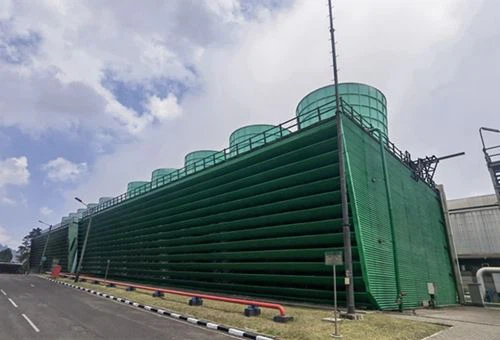
There are different types of industrial cooling towers, such as the Cross Flow Natural Draft Cooling Tower, Concrete Crossflow Cooling Towers, and Seawater Cooling Tower. Each type has its own design and features, but they all rely on fans to some extent.
The Role of Fans in Industrial Cooling Towers
1. Air Circulation
The primary role of fans in an industrial cooling tower is to circulate air. When hot water is sprayed into the tower, it needs to come into contact with air to release its heat. Fans help move the air through the tower, ensuring that there's a continuous flow of fresh air to absorb the heat from the water.
There are two main types of fans used in cooling towers: forced draft fans and induced draft fans. Forced draft fans push air into the tower, while induced draft fans pull air through the tower. Both types work to create the necessary air movement for efficient heat transfer.
For example, in a large power plant, forced draft fans can be used at the bottom of the cooling tower to blow air upwards. This helps in evenly distributing the air across the tower and maximizing the contact between the hot water and the air. On the other hand, induced draft fans are often placed at the top of the tower. They create a negative pressure inside the tower, which draws air in from the bottom and through the fill material where the water is sprayed.
2. Heat Transfer Enhancement
Fans play a key role in enhancing the heat transfer process. By increasing the air velocity around the water droplets, fans increase the rate of heat transfer from the water to the air. This is because a higher air velocity means more air molecules come into contact with the water droplets, allowing for more efficient heat exchange.
The fill material in a cooling tower also plays an important part in this process. The fill provides a large surface area for the water to spread out, increasing the contact area between the water and the air. Fans help move the air through the fill, ensuring that all parts of the fill are exposed to fresh air. This way, the heat can be transferred more effectively from the water to the air.
3. Moisture Evaporation
Evaporation is one of the main ways that cooling towers remove heat from water. When water evaporates, it takes heat energy with it, cooling the remaining water. Fans help in this evaporation process by removing the moist air from the tower and replacing it with dry air.

As the air passes through the water droplets in the tower, it picks up moisture. If this moist air isn't removed, it can saturate the air inside the tower and reduce the evaporation rate. Fans ensure that the moist air is continuously removed from the tower, allowing for more water to evaporate and more heat to be removed.
4. Maintaining Optimal Operating Conditions
Fans also help in maintaining the optimal operating conditions of the cooling tower. They can adjust the air flow rate based on the cooling requirements. For instance, on a hot day or when the industrial process is generating more heat, the fans can be set to run at a higher speed to increase the air flow and enhance the cooling capacity.
In addition, fans can help in preventing issues like ice formation in cold weather. By keeping the air moving, fans can prevent the water from freezing on the fill material or other parts of the tower. This is crucial for the long - term operation and durability of the cooling tower.
Impact of Fan Performance on Cooling Tower Efficiency
The performance of fans has a direct impact on the efficiency of an industrial cooling tower. A well - designed and properly maintained fan can significantly improve the cooling tower's performance, while a faulty or underperforming fan can lead to decreased efficiency.
If a fan isn't providing enough air flow, the heat transfer rate will be reduced. This means that the water won't be cooled as effectively, and the industrial process may have to slow down or shut down to prevent overheating. On the other hand, if a fan is running at too high a speed, it can waste energy and increase operating costs.
Regular maintenance of fans is essential to ensure their optimal performance. This includes checking the fan blades for damage, lubricating the bearings, and ensuring that the motor is functioning properly. By keeping the fans in good condition, we can ensure that the cooling tower operates at its highest efficiency.
Choosing the Right Fans for Your Cooling Tower
When it comes to choosing the right fans for an industrial cooling tower, there are several factors to consider.
1. Cooling Tower Type and Size
The type and size of the cooling tower will determine the type and number of fans needed. For example, a large natural draft cooling tower may require fewer but larger fans, while a smaller mechanical draft cooling tower may need multiple smaller fans.
2. Cooling Requirements
The cooling requirements of the industrial process are also important. If the process generates a large amount of heat, the fans need to be able to provide a high air flow rate to ensure adequate cooling.
3. Energy Efficiency
Energy efficiency is a major concern these days. Choosing energy - efficient fans can help reduce operating costs in the long run. Look for fans with high - efficiency motors and aerodynamic blade designs.
4. Noise Level
In some industrial settings, noise can be an issue. If the cooling tower is located near residential areas or other noise - sensitive locations, it's important to choose fans that operate quietly.
Conclusion
As you can see, fans play a vital role in industrial cooling towers. They are responsible for air circulation, heat transfer enhancement, moisture evaporation, and maintaining optimal operating conditions. Choosing the right fans and ensuring their proper maintenance is crucial for the efficient and effective operation of an industrial cooling tower.
If you're in the market for an industrial cooling tower or need to upgrade your existing cooling tower's fans, I'd love to help. Whether you're looking for a Cross Flow Natural Draft Cooling Tower, Concrete Crossflow Cooling Towers, or a Seawater Cooling Tower, we have the expertise and products to meet your needs. Contact us for a consultation and let's discuss how we can optimize your cooling system.
References
- Cooling Tower Institute. (20XX). Cooling Tower Handbook.
- ASHRAE. (20XX). Handbook of HVAC Systems and Equipment.