

What is the surface area of PP Net Fill in cooling towers and why is it important?
Dec 15, 2025
Hey there! As a supplier of PP Net Fill for cooling towers, I often get asked about the surface area of PP Net Fill and why it's so important. Well, let's dive right into it.
What is the Surface Area of PP Net Fill?
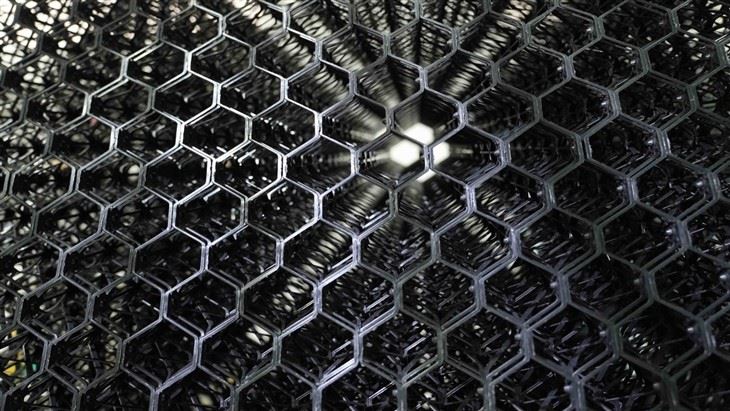
The surface area of PP Net Fill refers to the total area of the material that is exposed to the air and water within a cooling tower. PP Net Fill is made up of a network of polypropylene strands or sheets that are designed to maximize the contact between the hot water and the cool air. This network creates a large amount of surface area within a relatively small volume.
Imagine a cooling tower as a big box where hot water is being cooled down. The PP Net Fill acts like a maze inside this box. The water trickles down through the netting, and the air passes through it as well. The more surface area the net fill has, the more opportunities there are for the heat from the water to transfer to the air.
To understand this better, think of a sponge. A sponge has a lot of tiny holes and pores, which gives it a large surface area. When you soak a sponge in water, it can hold a lot of water because of all that surface area. Similarly, the PP Net Fill with its large surface area can hold and spread out the water, allowing for more efficient heat transfer.
Why is the Surface Area of PP Net Fill Important?
1. Heat Transfer Efficiency
The primary function of a cooling tower is to remove heat from the water. The larger the surface area of the PP Net Fill, the more heat can be transferred from the water to the air. This is because heat transfer occurs at the interface between the water and the air. When there is more surface area, there are more contact points between the two, which means more heat can be transferred in a given amount of time.
For example, if you have two cooling towers of the same size, but one has PP Net Fill with a larger surface area, the one with the larger surface area will be able to cool the water more effectively. This is crucial for industrial processes that rely on cooling towers to maintain optimal operating temperatures.
2. Water Distribution
A large surface area also helps in better water distribution within the cooling tower. When the water trickles down through the PP Net Fill, the netting spreads the water out into a thin film. This thin film of water has a larger surface area exposed to the air, which enhances the evaporation process. Evaporation is a key mechanism in cooling towers, as it takes away a significant amount of heat from the water.
Moreover, the netting helps to prevent the water from forming large droplets or channels. If the water forms large droplets, it will have less surface area in contact with the air, and the heat transfer will be less efficient. By spreading the water out, the PP Net Fill ensures that the water is evenly distributed throughout the cooling tower, maximizing the cooling effect.
3. Energy Savings
Efficient heat transfer and water distribution lead to energy savings. When a cooling tower can cool the water more effectively, it requires less energy to operate. This is because the fans and pumps in the cooling tower don't have to work as hard to achieve the desired cooling effect. In industrial settings, where cooling towers are used on a large scale, these energy savings can add up to significant cost savings over time.

How to Choose PP Net Fill with the Right Surface Area?
When choosing PP Net Fill for your cooling tower, it's important to consider the specific requirements of your application. Here are some factors to keep in mind:
1. Cooling Tower Size and Capacity
The size and capacity of your cooling tower will determine the amount of PP Net Fill you need and the surface area required. Larger cooling towers will generally require PP Net Fill with a larger surface area to ensure efficient cooling. You can consult with a cooling tower expert or use calculations based on the cooling load of your system to determine the appropriate surface area.
2. Operating Conditions
The operating conditions of your cooling tower, such as the temperature and flow rate of the water, also play a role in choosing the right PP Net Fill. If the water is very hot or has a high flow rate, you may need PP Net Fill with a larger surface area to handle the increased heat load.
3. Quality and Durability
In addition to the surface area, it's important to choose high-quality PP Net Fill that is durable and resistant to corrosion and chemical damage. A good quality net fill will maintain its surface area and performance over time, ensuring long-term efficiency in your cooling tower.
Our PP Net Fill Products
At our company, we offer a wide range of PP Net Fill products with different surface areas to meet the diverse needs of our customers. Our Trickling PP Fill is designed to provide excellent heat transfer and water distribution. It has a unique netting structure that maximizes the surface area while ensuring uniform water flow.
We also offer Cooling Tower Sprinkler Head Parts and Cooling Tower Filler that are compatible with our PP Net Fill. These parts work together to optimize the performance of your cooling tower.
Conclusion
In conclusion, the surface area of PP Net Fill is a critical factor in the performance of cooling towers. A larger surface area leads to more efficient heat transfer, better water distribution, and energy savings. When choosing PP Net Fill for your cooling tower, it's important to consider the size and capacity of your tower, the operating conditions, and the quality of the product.
If you're looking for high-quality PP Net Fill for your cooling tower, we'd love to hear from you. Whether you're in the industrial, commercial, or residential sector, we have the right solution for you. Contact us today to discuss your requirements and let's work together to optimize the performance of your cooling tower.
References
- Cooling Tower Handbook, various editions
- Industrial Heat Transfer Principles and Applications, by Donald Q. Kern