

Can PP Net Fill be reused in cooling towers?
Nov 19, 2025
Hey there! I'm a supplier of PP Net Fill For Cooling Towers, and today I wanna chat about a super common question: Can PP Net Fill be reused in cooling towers?
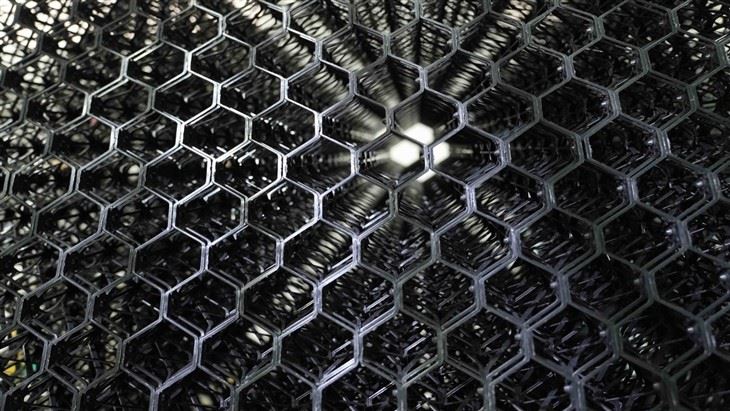
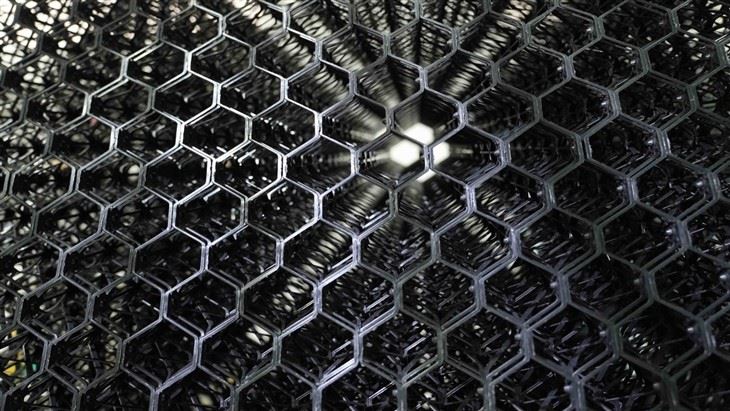
First off, let's get into what PP Net Fill is. PP stands for polypropylene, a type of plastic that's known for being tough, resistant to chemicals, and lightweight. The net fill is designed to maximize the contact area between the water and the air in a cooling tower. This is crucial because it helps with heat transfer. When hot water from industrial processes or HVAC systems enters the cooling tower, it flows through the PP Net Fill. As it does, air is drawn through the tower, and the heat from the water is transferred to the air, cooling the water down.
Now, onto the big question: Can it be reused? Well, it depends on a few factors.
Condition of the PP Net Fill
The first thing you gotta look at is the condition of the fill itself. Over time, PP Net Fill can get dirty. Debris like leaves, dust, and even biological growth such as algae can accumulate on the fill. If the fill is only mildly dirty, it might be possible to clean it and reuse it. You can use a high - pressure water spray to remove the loose debris. Sometimes, a mild detergent can be added to the water to help break down any stubborn grime.
However, if the fill has suffered from physical damage, like being torn or crushed, it's probably not a good candidate for reuse. Physical damage can disrupt the flow of water and air through the fill, reducing its efficiency. For example, if there are large holes in the net, the water might not spread evenly, and some areas of the fill won't be utilized effectively.
Water Quality in the Cooling Tower
The quality of the water in the cooling tower also plays a huge role. If the water has a high concentration of minerals, it can cause scaling on the PP Net Fill. Scaling is when minerals like calcium and magnesium carbonate build up on the surface of the fill. This not only reduces the heat transfer efficiency but can also make the fill brittle over time. In cases where scaling is severe, it might be difficult to remove the scale completely, and reusing the fill may not be practical.
On the other hand, if the water is treated properly and has a low mineral content, the fill is less likely to experience scaling. In such a situation, the fill is more likely to remain in good condition and can potentially be reused.
Age of the PP Net Fill
Just like anything else, PP Net Fill has a lifespan. Over time, the polypropylene material can degrade due to exposure to sunlight, heat, and chemicals in the water. If the fill is relatively new and has been well - maintained, there's a better chance of reusing it. But if it's an old fill that has been in service for a long time, it might be approaching the end of its useful life. The material may have become brittle, and its structural integrity may be compromised.
Benefits of Reusing PP Net Fill
If the PP Net Fill can be reused, there are some definite benefits. First of all, it's cost - effective. Buying new fill can be expensive, especially for large cooling towers. Reusing the existing fill can save you a significant amount of money.
It's also more environmentally friendly. By reusing the fill, you're reducing the amount of waste that goes into landfills. This is in line with the growing trend of sustainable practices in the industrial and commercial sectors.
When to Replace Instead of Reuse
There are times when it's just better to replace the PP Net Fill. If the fill has been severely damaged by chemical corrosion, it's not safe to reuse it. Chemicals in the water can break down the polypropylene, making it weak and potentially releasing harmful substances into the water.
Also, if the cooling tower has been upgraded or its operating conditions have changed, the old fill may not be suitable. For example, if the cooling tower is now required to handle a higher flow rate of water, the existing fill may not be able to provide the necessary heat transfer efficiency.
Other Types of Cooling Tower Fill
If you're considering your options for cooling tower fill, there are other types available. One popular option is the Cross-Fluted Film Fill For Cooling Tower. This type of fill consists of thin plastic sheets with a cross - fluted pattern. It provides a large surface area for heat transfer and is often used in counter - flow cooling towers.
Another option is the Trickling PP Fill. This fill allows water to trickle down through it, and air is passed horizontally through the fill. It's a good choice for applications where water distribution is a key factor.
Of course, our PP Net Fill for Cooling Towers has its own advantages. It's easy to install, lightweight, and can handle a wide range of water flow rates.
In Conclusion
So, can PP Net Fill be reused in cooling towers? The answer is sometimes. It all boils down to the condition of the fill, the water quality, and the age of the fill. If it's in good shape, cleaning and reusing it can save you money and be more environmentally friendly. But if there are signs of severe damage or corrosion, it's probably best to replace it.
If you're in the market for new PP Net Fill or want to discuss the possibility of reusing your existing fill, I'd love to chat. Whether you need help in making a decision or want to place an order, don't hesitate to reach out. Let's work together to keep your cooling towers running efficiently!
References
- Cooling Tower Handbook, Second Edition by R. W. Monahan
- Industrial Water Treatment Handbook by W. J. Weber Jr.