

Does an algal inhibitor affect fish in the water?
Jul 16, 2025
In the realm of water management and environmental protection, the use of algal inhibitors has become a common practice to control the excessive growth of algae in various water bodies. As a reputable supplier of algal inhibitors, I often encounter questions from customers about the potential impact of these products on fish in the water. This blog post aims to explore this topic in detail, drawing on scientific research and our own experience in the field.
Understanding Algal Inhibitors
Algal inhibitors are chemical or biological substances designed to prevent or reduce the growth of algae in water. They work through various mechanisms, such as interfering with the algae's photosynthesis process, disrupting their cell membranes, or competing with them for nutrients. These products are widely used in aquaculture, swimming pools, industrial cooling systems, and natural water bodies to maintain water quality and prevent the negative effects of algal blooms.
There are different types of algal inhibitors available on the market, including copper-based compounds, hydrogen peroxide, and natural enzymes. Each type has its own advantages and disadvantages, and the choice of inhibitor depends on factors such as the type of algae, the water conditions, and the specific application.
The Potential Impact on Fish
One of the main concerns when using algal inhibitors is their potential impact on fish. Fish are sensitive to changes in water quality, and the presence of certain chemicals can have adverse effects on their health and survival. However, the impact of algal inhibitors on fish depends on several factors, including the type and concentration of the inhibitor, the species of fish, and the duration of exposure.
Acute Toxicity
Some algal inhibitors can be acutely toxic to fish if used at high concentrations. For example, copper-based algal inhibitors can cause damage to the gills, liver, and kidneys of fish, leading to reduced oxygen uptake, impaired metabolism, and even death. The toxicity of copper to fish varies depending on the species, with some fish being more sensitive than others. In general, fish in soft, acidic water are more susceptible to copper toxicity than those in hard, alkaline water.

Hydrogen peroxide, another common algal inhibitor, can also be toxic to fish at high concentrations. It can cause oxidative stress and damage to the fish's cells and tissues. However, hydrogen peroxide is relatively unstable in water and breaks down quickly, reducing its potential for long-term toxicity.
Chronic Toxicity
In addition to acute toxicity, some algal inhibitors may also have chronic toxic effects on fish. Chronic exposure to low levels of certain chemicals can lead to changes in fish behavior, growth, reproduction, and immune function. For example, long-term exposure to copper can affect the fish's ability to detect and avoid predators, as well as their reproductive success.
However, it's important to note that the chronic toxicity of algal inhibitors depends on the specific chemical and the exposure conditions. Some algal inhibitors, such as natural enzymes, are considered to be relatively safe for fish and have minimal chronic toxic effects.
Indirect Effects
Algal inhibitors can also have indirect effects on fish by altering the water quality and the ecosystem in the water body. For example, the use of algal inhibitors can reduce the amount of algae in the water, which can in turn affect the food chain. Algae are an important food source for many small organisms, such as zooplankton, which are then eaten by fish. If the algal population is significantly reduced, it can lead to a decrease in the availability of food for fish, which can affect their growth and survival.
In addition, the use of algal inhibitors can also affect the oxygen levels in the water. Algae produce oxygen through photosynthesis, and a reduction in the algal population can lead to a decrease in oxygen production. This can be particularly problematic in stagnant or poorly aerated water bodies, where low oxygen levels can cause stress and even death in fish.
Minimizing the Impact on Fish
As a supplier of algal inhibitors, we are committed to providing products that are effective in controlling algae while minimizing the impact on fish and other aquatic organisms. Here are some tips on how to use algal inhibitors safely and effectively:
Choose the Right Product
When selecting an algal inhibitor, it's important to choose a product that is appropriate for the specific application and the water conditions. Consider factors such as the type of algae, the species of fish, and the water quality. For example, if you have a pond with sensitive fish species, you may want to choose a natural or low-toxicity algal inhibitor.
Follow the Instructions
Always follow the manufacturer's instructions when using algal inhibitors. This includes the recommended dosage, application method, and safety precautions. Overdosing can increase the risk of toxicity to fish and other aquatic organisms, while underdosing may not be effective in controlling algae.
Monitor the Water Quality
Regularly monitor the water quality in the water body where the algal inhibitor is being used. This includes parameters such as pH, dissolved oxygen, ammonia, and nitrite levels. Changes in these parameters can indicate potential problems with the water quality and the impact of the algal inhibitor on the ecosystem.
Consider Alternative Methods
In some cases, it may be possible to control algae growth using alternative methods that are less harmful to fish. For example, mechanical methods such as skimming or filtering can be used to remove algae from the water. Biological methods, such as the use of beneficial bacteria or plants, can also be effective in reducing algae growth.
Other Water Treatment Products
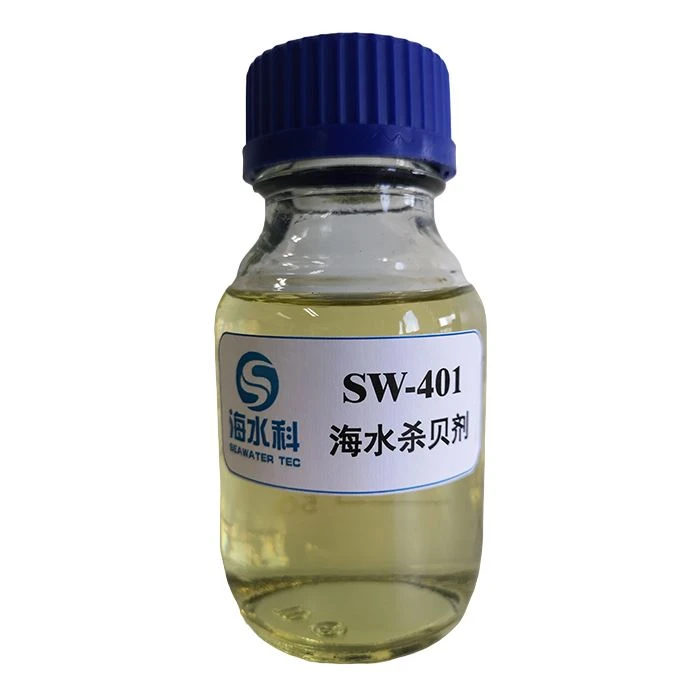
In addition to algal inhibitors, we also offer a range of other water treatment products that can help maintain water quality and protect fish and other aquatic organisms. These include Circulating Water Cleaner, which is designed to remove dirt, debris, and organic matter from circulating water systems, and Seawater Molluscicide, which can be used to control the growth of mollusks in seawater systems. We also offer Seawater Defoaming Agent, which can help reduce foam and improve the efficiency of seawater treatment processes.
Conclusion
In conclusion, the use of algal inhibitors can have both direct and indirect effects on fish in the water. However, by choosing the right product, following the instructions, monitoring the water quality, and considering alternative methods, it is possible to minimize the impact of algal inhibitors on fish and other aquatic organisms. As a supplier of algal inhibitors and other water treatment products, we are dedicated to providing our customers with high-quality, effective, and environmentally friendly solutions. If you have any questions or concerns about the use of algal inhibitors or other water treatment products, please do not hesitate to contact us for more information and to discuss your specific needs. We look forward to working with you to achieve optimal water quality and a healthy aquatic environment.
References
- Boyd, C. E., & Tucker, C. S. (1998). Water quality in ponds for aquaculture. Kluwer Academic Publishers.
- USEPA. (2016). Ecological risk assessment guidance for chemicals: Volume 1. Process for ecological risk assessment. U.S. Environmental Protection Agency.
- WHO. (2003). Guidelines for drinking-water quality. World Health Organization.