

How to dispose of used water treatment chemicals safely?
Jun 30, 2025
Hey there! As a supplier of water treatment chemicals, I've seen firsthand how important it is to handle these substances properly. One of the most crucial aspects is the safe disposal of used water treatment chemicals. In this blog, I'll share some insights on how to do it right.
First off, let's understand why safe disposal matters. Water treatment chemicals are designed to improve water quality, but once they've done their job, they can pose risks if not disposed of correctly. These chemicals might contain heavy metals, toxic compounds, or other substances that can harm the environment and human health if released into the wrong places.

Know Your Chemicals
The first step in safe disposal is to know exactly what you're dealing with. Different water treatment chemicals have different properties and disposal requirements. For example, some might be corrosive, while others could be flammable or reactive.
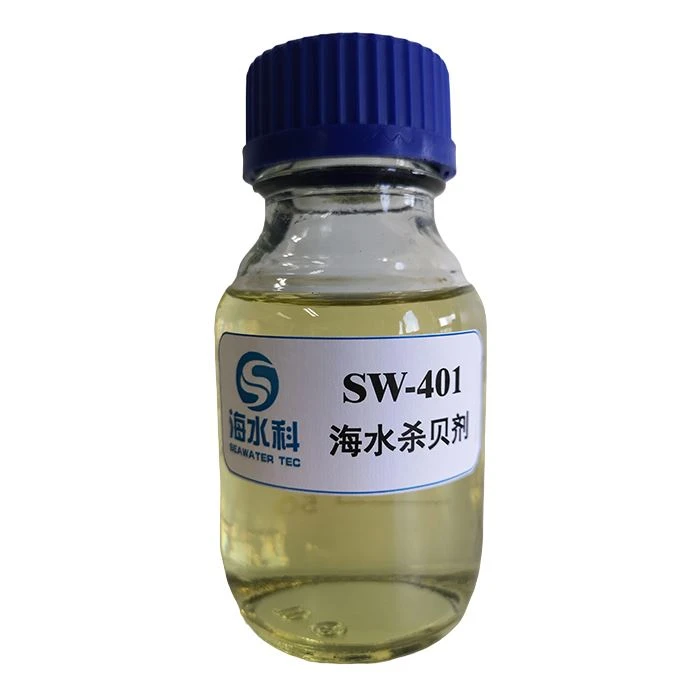
We offer a range of water treatment chemicals, like Seawater Molluscicide, which is used to control mollusks in seawater systems. This chemical needs to be handled with care because it's designed to be toxic to certain organisms. Another product is Scale Inhibitor and Dispersant, which helps prevent scale buildup in water systems. And then there's the Seawater Defoaming Agent, used to reduce foam in seawater applications.
Before you start thinking about disposal, check the product labels and safety data sheets (SDS). These documents will give you detailed information about the chemical's composition, hazards, and recommended disposal methods. If you're not sure, don't hesitate to contact us. We're always happy to help you understand the proper handling and disposal of our products.
Segregation and Storage
Once you've identified the chemicals, it's time to segregate them. Different types of chemicals should be stored separately to prevent reactions. For example, acids and bases should never be stored together because they can react violently if they come into contact.
Use appropriate storage containers. These should be made of materials that are compatible with the chemicals. For corrosive chemicals, use containers made of resistant plastics or metals. Make sure the containers are labeled clearly with the name of the chemical, its hazards, and the date of storage.
Keep the storage area well-ventilated and away from heat sources, ignition sources, and direct sunlight. This will help prevent chemical degradation and reduce the risk of fires or explosions.
Recycling and Reuse
Whenever possible, try to recycle or reuse used water treatment chemicals. Some chemicals can be regenerated or reprocessed to be used again. For example, certain types of ion exchange resins can be regenerated by treating them with a specific solution. This not only reduces waste but also saves money in the long run.
If you're interested in recycling or reusing our products, we can provide you with information on local recycling facilities or suggest ways to reuse the chemicals in your own operations.
Disposal Methods
If recycling or reuse isn't an option, you'll need to choose the right disposal method. Here are some common methods:
Incineration
Incineration can be a suitable option for some chemicals, especially those that are organic and can be burned safely. However, it's important to use a licensed incinerator that meets environmental regulations. Incineration should only be done under controlled conditions to ensure that harmful emissions are minimized.
Landfill Disposal
Some non-hazardous water treatment chemicals can be disposed of in landfills. But again, you need to follow local regulations. Make sure the landfill is approved for the type of waste you're disposing of. Hazardous chemicals should never be sent to regular landfills as they can contaminate the soil and groundwater.
Wastewater Treatment
In some cases, used water treatment chemicals can be treated in a wastewater treatment plant. However, this should only be done if the chemicals are compatible with the treatment process. You'll need to work with the wastewater treatment plant operators to ensure that the chemicals won't interfere with the treatment process or cause environmental problems.
Regulatory Compliance
Complying with local, state, and federal regulations is essential when disposing of used water treatment chemicals. These regulations are in place to protect the environment and public health. Failure to comply can result in hefty fines and legal problems.
Stay updated on the latest regulations and make sure you have all the necessary permits and documentation for disposal. If you're unsure about the regulations in your area, we can help you find the relevant information or connect you with regulatory agencies.
Training and Education
Proper training of your staff is crucial for safe chemical disposal. Make sure your employees know how to handle, store, and dispose of water treatment chemicals safely. Provide them with regular training sessions and safety information.
We can also offer training programs or resources to help you educate your staff about the proper use and disposal of our products.
Conclusion
Safe disposal of used water treatment chemicals is not only a legal requirement but also a moral responsibility. By following the steps outlined in this blog, you can ensure that you're handling these chemicals in an environmentally friendly and safe way.
If you have any questions about our water treatment chemicals, their disposal, or if you're interested in purchasing our products, don't hesitate to reach out. We're here to help you find the best solutions for your water treatment needs.
References
- Environmental Protection Agency (EPA). "Hazardous Waste Management."
- Occupational Safety and Health Administration (OSHA). "Chemical Safety Guidelines."
- Local and state environmental regulations.