

What is the difference between a Circulating Water Cleaner and a water purifier?
May 14, 2025
As a supplier of Circulating Water Cleaners, I often encounter questions from customers about the differences between Circulating Water Cleaners and water purifiers. This blog post aims to provide a detailed comparison of these two types of water treatment equipment, highlighting their unique features, functions, and applications.
1. Basic Concepts
A Circulating Water Cleaner is a device designed to maintain the quality of circulating water systems, such as those in industrial cooling towers, air - conditioning systems, and some large - scale water circulation loops. It focuses on removing impurities, preventing scale formation, and controlling microbial growth within the closed - loop water system.
On the other hand, a water purifier is mainly used to treat raw water (such as tap water, well water) for domestic or drinking purposes. It aims to remove various contaminants from water to make it safe and palatable for human consumption.
2. Working Principles
Circulating Water Cleaner
Circulating Water Cleaners typically use a combination of physical and chemical methods. Physically, they may employ filtration systems to remove suspended solids, debris, and large particles from the circulating water. For example, a multi - stage filtration process can include coarse filters to catch large objects and fine filters to remove smaller particles.
Chemically, these cleaners often use water treatment chemicals to prevent scale formation and control microbial growth. Scale Inhibitor and Dispersant are commonly added to the circulating water. Scale inhibitors work by preventing the precipitation of minerals like calcium and magnesium salts, which can form scale on heat transfer surfaces. Dispersants help keep suspended particles in the water from agglomerating and settling.
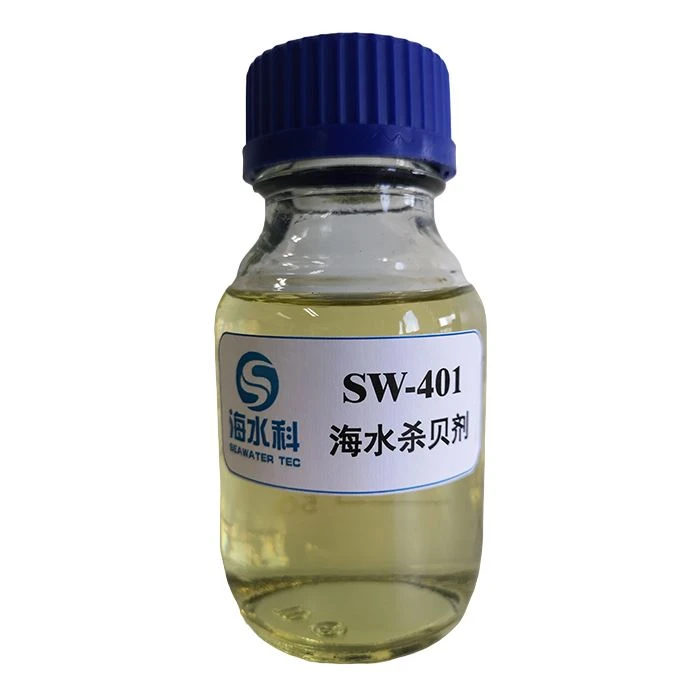
In addition, Seawater Defoaming Agent may be used in systems where foaming is a problem, especially in seawater - based circulating systems. And Seawater Molluscicide can be applied to control the growth of mollusks in seawater - cooled circulating systems, as these organisms can clog pipes and heat exchangers.
Water Purifier
Water purifiers use a variety of technologies depending on the type of contaminants they need to remove. Common methods include reverse osmosis (RO), activated carbon filtration, and ultraviolet (UV) disinfection.
Reverse osmosis is a highly effective method for removing dissolved salts, heavy metals, and many organic compounds. It works by forcing water through a semi - permeable membrane under pressure, allowing only water molecules to pass through while blocking contaminants.

Activated carbon filtration is used to remove chlorine, volatile organic compounds (VOCs), and some odors and tastes from water. The porous structure of activated carbon provides a large surface area for adsorption of these contaminants.
UV disinfection is used to kill bacteria, viruses, and other microorganisms in water. UV light damages the DNA of these organisms, preventing them from reproducing and making the water safe for consumption.
3. Treatment Goals
Circulating Water Cleaner
The primary goal of a Circulating Water Cleaner is to ensure the efficient operation of the circulating water system. By removing impurities and preventing scale formation, it helps maintain the heat transfer efficiency of heat exchangers, reduces energy consumption, and extends the service life of equipment.
It also plays a crucial role in controlling microbial growth. Microorganisms in circulating water can cause biofouling, which can lead to reduced flow rates, increased corrosion, and the spread of water - borne diseases. By keeping the microbial population in check, the Circulating Water Cleaner helps maintain a healthy and efficient water circulation system.

Water Purifier
The main goal of a water purifier is to provide clean and safe water for human consumption. It focuses on removing contaminants that can pose a health risk, such as bacteria, viruses, heavy metals, and chemicals. A good water purifier should be able to meet the drinking water quality standards set by relevant authorities, ensuring that the water is free from harmful substances and has an acceptable taste and odor.
4. Application Scenarios
Circulating Water Cleaner
Circulating Water Cleaners are widely used in industrial and commercial settings. In industrial cooling towers, they help maintain the water quality to ensure proper cooling of industrial processes. For example, in power plants, where large - scale cooling is required, a well - functioning Circulating Water Cleaner is essential for the efficient operation of the cooling system.
In air - conditioning systems, these cleaners help prevent the growth of mold and bacteria in the water, which can improve indoor air quality and reduce the risk of health problems for building occupants.
Water Purifier
Water purifiers are mainly used in households and some small - scale commercial establishments. In homes, they are installed at the point - of - use, such as under the sink or on the countertop, to provide clean drinking water. They are also used in offices, restaurants, and cafes to ensure the safety of the water served to customers.
5. Maintenance Requirements
Circulating Water Cleaner
Maintaining a Circulating Water Cleaner requires regular monitoring of water quality parameters such as pH, conductivity, and microbial count. Based on the monitoring results, appropriate adjustments need to be made to the dosage of water treatment chemicals.
The filtration components also need to be replaced or cleaned periodically to ensure their effectiveness. In addition, the system may need to be inspected for any signs of leaks, blockages, or equipment failures.
Water Purifier
For water purifiers, the frequency of maintenance depends on the type of technology used. Reverse osmosis membranes usually need to be replaced every 2 - 3 years, while activated carbon filters may need to be replaced every 6 - 12 months.
UV lamps in UV disinfection units need to be replaced regularly to maintain their germicidal effectiveness. It is also important to regularly clean the housing and other components of the water purifier to prevent the accumulation of dirt and contaminants.
6. Cost Considerations
Circulating Water Cleaner
The cost of a Circulating Water Cleaner includes the initial purchase cost of the equipment, the cost of water treatment chemicals, and the cost of maintenance. The initial investment can be relatively high, especially for large - scale industrial systems. However, the long - term savings in energy consumption and equipment maintenance can offset the initial cost.
Water Purifier
The cost of a water purifier varies depending on the type and brand. Basic models with simple filtration functions are relatively inexpensive, while high - end models with advanced technologies such as reverse osmosis can be more costly. In addition to the purchase cost, there are also ongoing costs for filter replacements and electricity consumption (for some models).
Conclusion
In summary, while both Circulating Water Cleaners and water purifiers are used for water treatment, they have significant differences in terms of working principles, treatment goals, application scenarios, maintenance requirements, and cost. As a supplier of Circulating Water Cleaners, I understand the importance of these differences and can provide customized solutions to meet the specific needs of our customers.
If you are interested in our Circulating Water Cleaners or have any questions about water treatment, please feel free to contact us for further discussion and procurement negotiation. We are committed to providing high - quality products and professional services to ensure the efficient operation of your water circulation systems.
References
- "Industrial Water Treatment Handbook", McGraw - Hill Professional.
- "Water Purification Technologies: An Overview", Journal of Environmental Science and Health.
- Manufacturer's manuals for Circulating Water Cleaners and water purifiers.