

Which water treatment chemicals are suitable for drinking water treatment?
Dec 04, 2025
As a seasoned water treatment chemicals supplier, I've witnessed firsthand the critical role that proper chemical treatment plays in ensuring the safety and quality of drinking water. With a vast array of water treatment chemicals available on the market, it can be challenging to determine which ones are most suitable for drinking water applications. In this blog post, I'll share my insights on the key water treatment chemicals commonly used in drinking water treatment and their specific functions.
Coagulants and Flocculants
Coagulants and flocculants are essential chemicals used in the initial stages of drinking water treatment to remove suspended solids, turbidity, and colloidal particles. These chemicals work by neutralizing the electrical charges on the particles, causing them to clump together and form larger aggregates that can be more easily removed through sedimentation or filtration.
Coagulants
Coagulants are typically inorganic chemicals, such as aluminum sulfate (alum), ferric chloride, and polyaluminum chloride (PAC). Alum is one of the most widely used coagulants due to its effectiveness, low cost, and availability. It works by hydrolyzing in water to form positively charged aluminum hydroxide flocs, which attract and bind to negatively charged particles in the water.
Ferric chloride is another commonly used coagulant that offers several advantages over alum, including better performance at lower pH levels and the ability to remove a wider range of contaminants. PAC is a more advanced coagulant that combines the benefits of both alum and ferric chloride, offering improved coagulation efficiency and reduced sludge production.
Flocculants
Flocculants are organic polymers that are added after the coagulation process to further enhance the formation of large, settleable flocs. These polymers work by bridging the gaps between the coagulated particles, causing them to form larger and more stable aggregates.
Anionic flocculants are negatively charged polymers that are commonly used in drinking water treatment to remove negatively charged particles, such as clay and silt. Cationic flocculants are positively charged polymers that are used to remove positively charged particles, such as bacteria and viruses. Nonionic flocculants are neutral polymers that are used to improve the settling characteristics of the flocs and reduce the turbidity of the water.
Disinfectants
Disinfectants are chemicals used to kill or inactivate harmful microorganisms, such as bacteria, viruses, and protozoa, in drinking water. The most commonly used disinfectants in drinking water treatment are chlorine, chloramines, and ozone.
Chlorine
Chlorine is the most widely used disinfectant in drinking water treatment due to its effectiveness, low cost, and ease of use. It works by reacting with water to form hypochlorous acid (HOCl) and hypochlorite ions (OCl-), which are powerful oxidizing agents that can kill a wide range of microorganisms.
Chlorine can be added to drinking water in several forms, including chlorine gas, sodium hypochlorite, and calcium hypochlorite. Chlorine gas is the most concentrated form of chlorine and is typically used in large water treatment plants. Sodium hypochlorite and calcium hypochlorite are more commonly used in smaller water treatment plants and in residential water treatment systems.
Chloramines
Chloramines are a combination of chlorine and ammonia that are used as an alternative disinfectant to chlorine. Chloramines are less reactive than chlorine and have a longer residual time in the water, which makes them more effective at controlling the growth of microorganisms in the distribution system.
Chloramines are typically formed by adding ammonia to the water after the chlorination process. The ratio of chlorine to ammonia is carefully controlled to ensure that the desired level of chloramines is achieved.
Ozone
Ozone is a powerful oxidizing agent that is used as a disinfectant and a taste and odor control agent in drinking water treatment. Ozone works by reacting with the microorganisms in the water to break down their cell walls and destroy their DNA.

Ozone is typically generated on-site using an ozone generator. The ozone is then injected into the water and allowed to react with the microorganisms for a specified period of time. Ozone is a more expensive disinfectant than chlorine and chloramines, but it offers several advantages, including its ability to remove a wider range of contaminants and its lack of harmful disinfection byproducts.
pH Adjusters
pH adjusters are chemicals used to adjust the pH of the water to a desired level. The pH of the water can have a significant impact on the effectiveness of the water treatment process and the quality of the drinking water.
Acidic pH Adjusters
Acidic pH adjusters, such as sulfuric acid and hydrochloric acid, are used to lower the pH of the water. These chemicals are typically added to the water before the coagulation process to improve the effectiveness of the coagulants.
Alkaline pH Adjusters
Alkaline pH adjusters, such as sodium hydroxide and calcium hydroxide, are used to raise the pH of the water. These chemicals are typically added to the water after the disinfection process to neutralize any residual chlorine and to prevent the corrosion of the pipes in the distribution system.
Corrosion Inhibitors
Corrosion inhibitors are chemicals used to prevent the corrosion of the pipes and other equipment in the water treatment system and the distribution system. Corrosion can cause a variety of problems, including the release of heavy metals into the water, the formation of scale and deposits, and the deterioration of the pipes and equipment.
Phosphate-Based Corrosion Inhibitors
Phosphate-based corrosion inhibitors, such as orthophosphate and polyphosphate, are commonly used in drinking water treatment to prevent the corrosion of the pipes. These chemicals work by forming a protective film on the surface of the pipes, which prevents the water from coming into contact with the metal and causing corrosion.
Zinc-Based Corrosion Inhibitors
Zinc-based corrosion inhibitors, such as zinc orthophosphate and zinc polyphosphate, are also used in drinking water treatment to prevent the corrosion of the pipes. These chemicals work by forming a protective film on the surface of the pipes, which contains zinc ions that can react with the water to form a passive layer that prevents the corrosion of the metal.
Other Water Treatment Chemicals
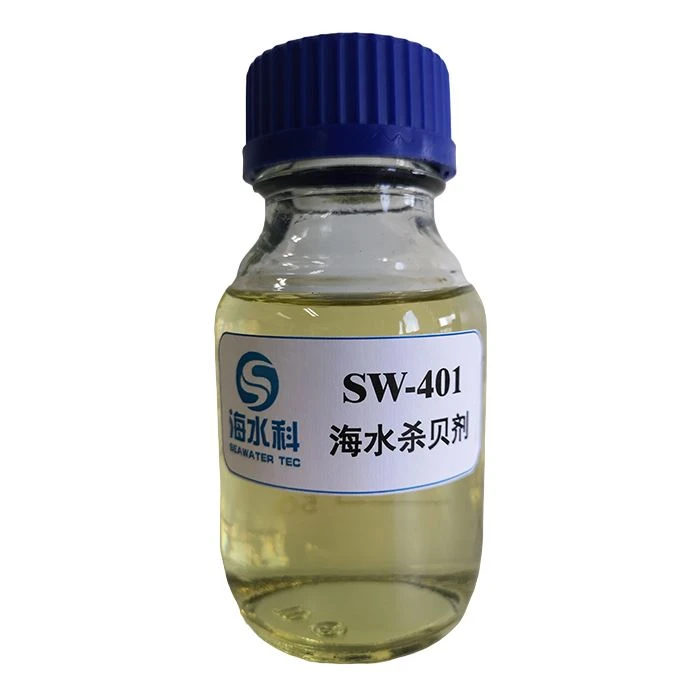
In addition to the chemicals mentioned above, there are several other water treatment chemicals that are used in drinking water treatment, including Seawater Molluscicide, Scale Inhibitor and Dispersant, and Seawater Defoaming Agent.
Seawater Molluscicide
Seawater molluscicides are chemicals used to control the growth of mollusks, such as mussels and clams, in seawater intake systems. These chemicals work by killing the mollusks or by preventing them from attaching to the pipes and other equipment in the system.
Scale Inhibitor and Dispersant
Scale inhibitors and dispersants are chemicals used to prevent the formation of scale and deposits in the water treatment system and the distribution system. These chemicals work by inhibiting the precipitation of calcium carbonate and other minerals in the water and by dispersing the existing scale and deposits.
Seawater Defoaming Agent
Seawater defoaming agents are chemicals used to control the formation of foam in seawater intake systems. These chemicals work by breaking down the surface tension of the water and preventing the formation of foam.
Conclusion
In conclusion, the selection of the appropriate water treatment chemicals for drinking water treatment depends on several factors, including the quality of the raw water, the desired quality of the treated water, the type of water treatment process used, and the specific requirements of the distribution system. As a water treatment chemicals supplier, I can provide you with the expertise and the products you need to ensure the safety and quality of your drinking water.
If you're interested in learning more about our water treatment chemicals or if you have any questions about the drinking water treatment process, please don't hesitate to contact us. We'll be happy to discuss your specific needs and provide you with a customized solution.
References
- AWWA. (2017). Water Treatment Plant Design, 6th Edition.
- USEPA. (2021). Drinking Water Regulations and Health Advisories.
- WHO. (2017). Guidelines for Drinking-Water Quality, 4th Edition.